
Filters
Ridge Climbing Course: Your ridge climbing adventure high above the valleys of Switzerland
Ridge climbing combines classic rock climbing with the thrill of alpine routes offering spectacular views. On our ridge climbing course, you’ll learn, step by step, how to move safely, with foresight and fluidity across varied terrain. Our mountain guides will teach you the essential techniques for alpine rock ridges in a practical way: walking on a short rope, using rock outcrops for protection, and setting up secure belay stations. You’ll learn how to assess terrain and belaying correctly and consolidate your climbing technique. Whether you’re tackling your first rock ridges or preparing for alpine tours – we’ll provide you with the knowledge and practical experience you need for a safe experience on the rock.
High tours course overview
Basic courses
Taster alpine toursGlacier and crevasse rescue courseBasic course alpine tours rock and iceRidge climbing in alpine terrainHigh tour course with 4000 metresIntensive alpine touring course 4000mApplication courses
High tours application courseAccess north wallsAdvanced courses
High tours coachingFilter and search for your favourite tour!
Search
date
Technics
Endurance
Category
Ridge climbing in alpine terrain | Jura rock-climbing course with practical tours starting from the hotel
Your journey into alpine terrain. Experience rocky ridges, learn to scramble.TechnicsEndurance28–30 May 2027, Friday–Sunday, 3 days
Solothurn, Jura
Ridge climbing in alpine terrain | Säntis rock-climbing course with practical outings
Experience exposed rocky ridges and learn how to scramble safely – your gateway to alpine terrain.TechnicsEnduranceDaily, date on request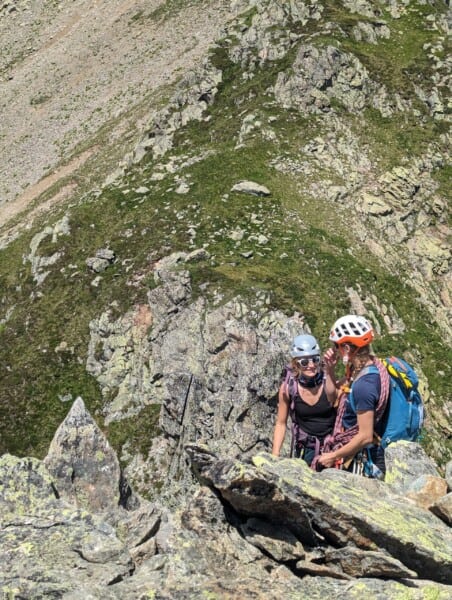
Säntis, Appenzell
- Download more offers!
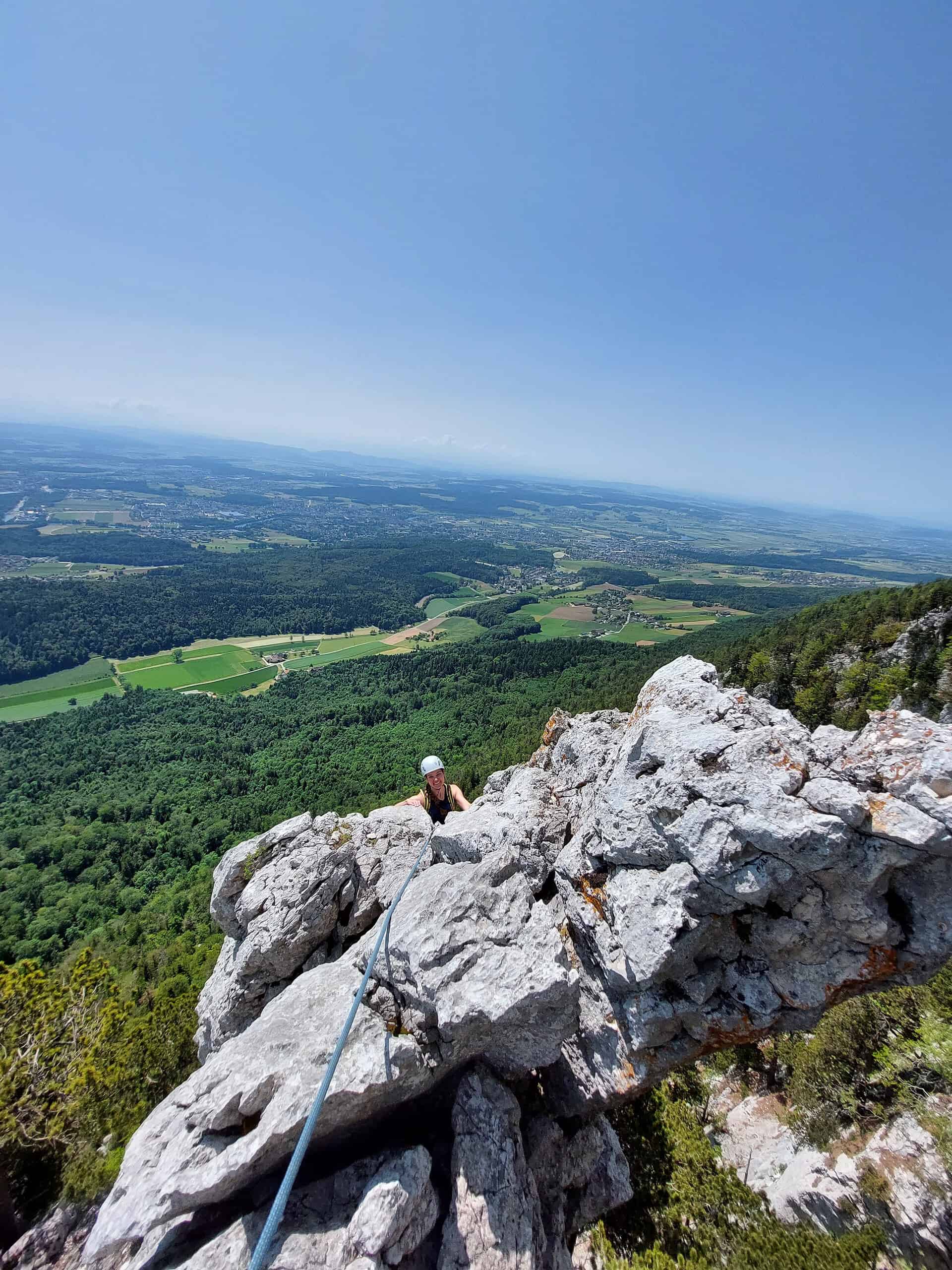
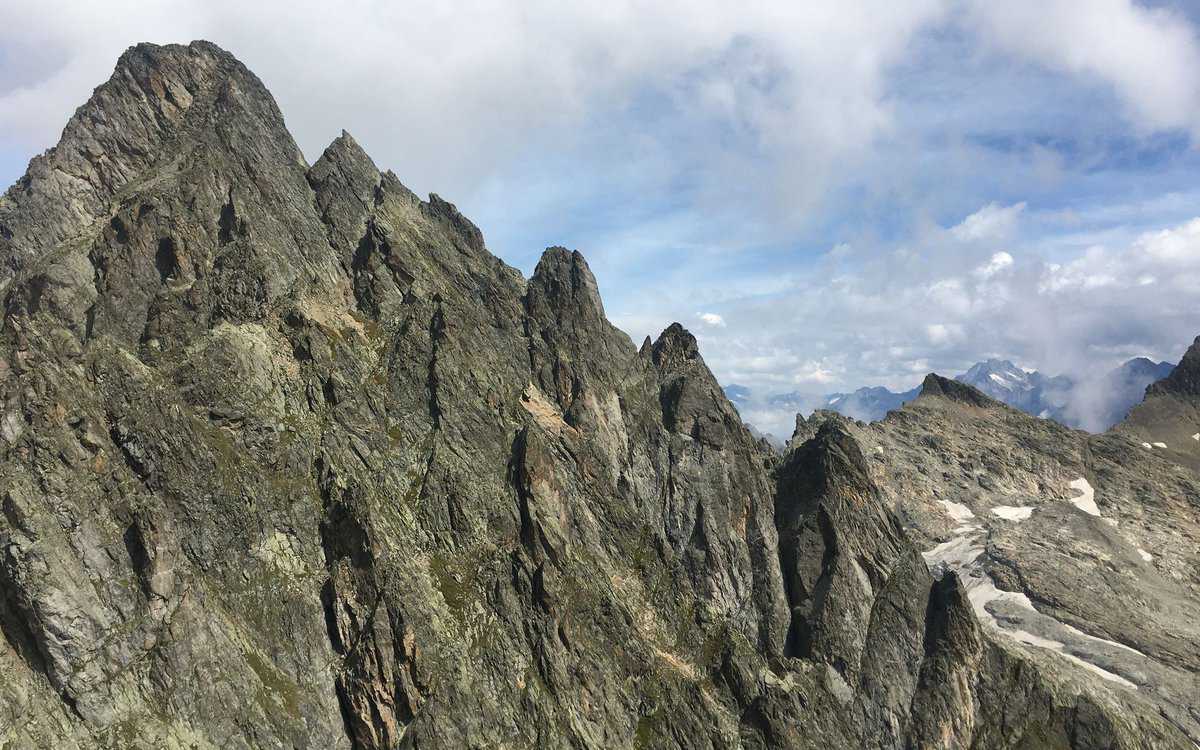
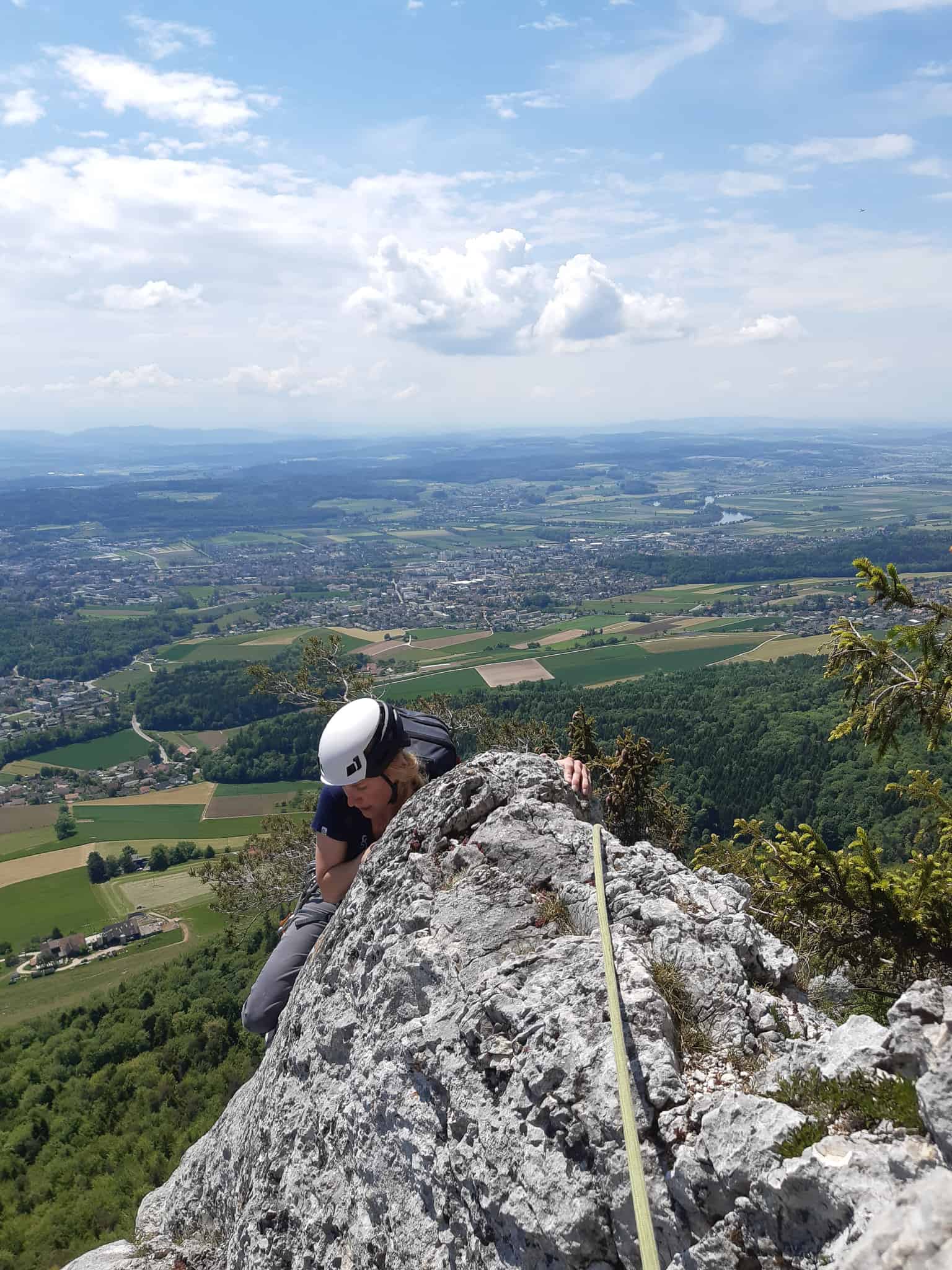
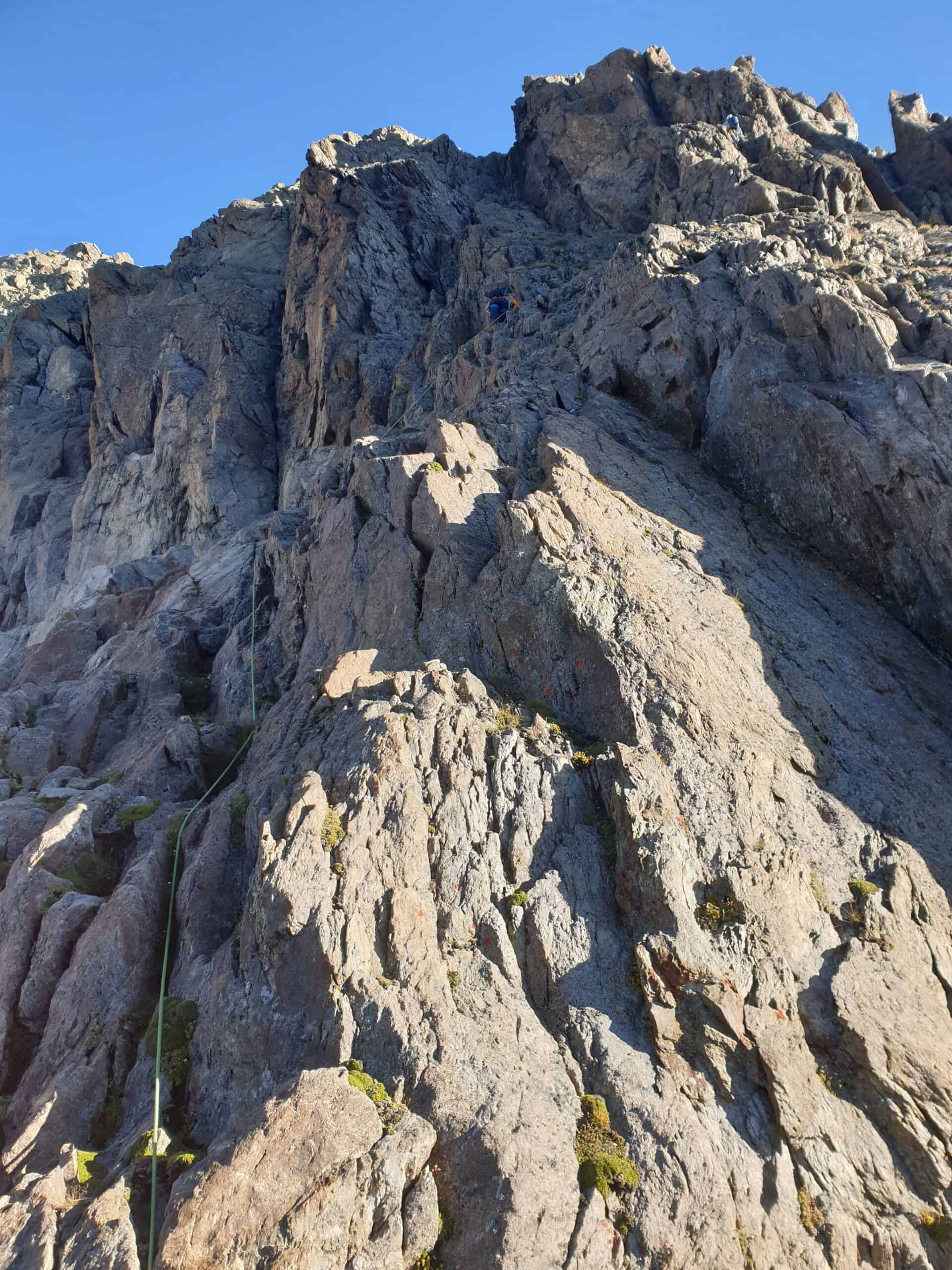
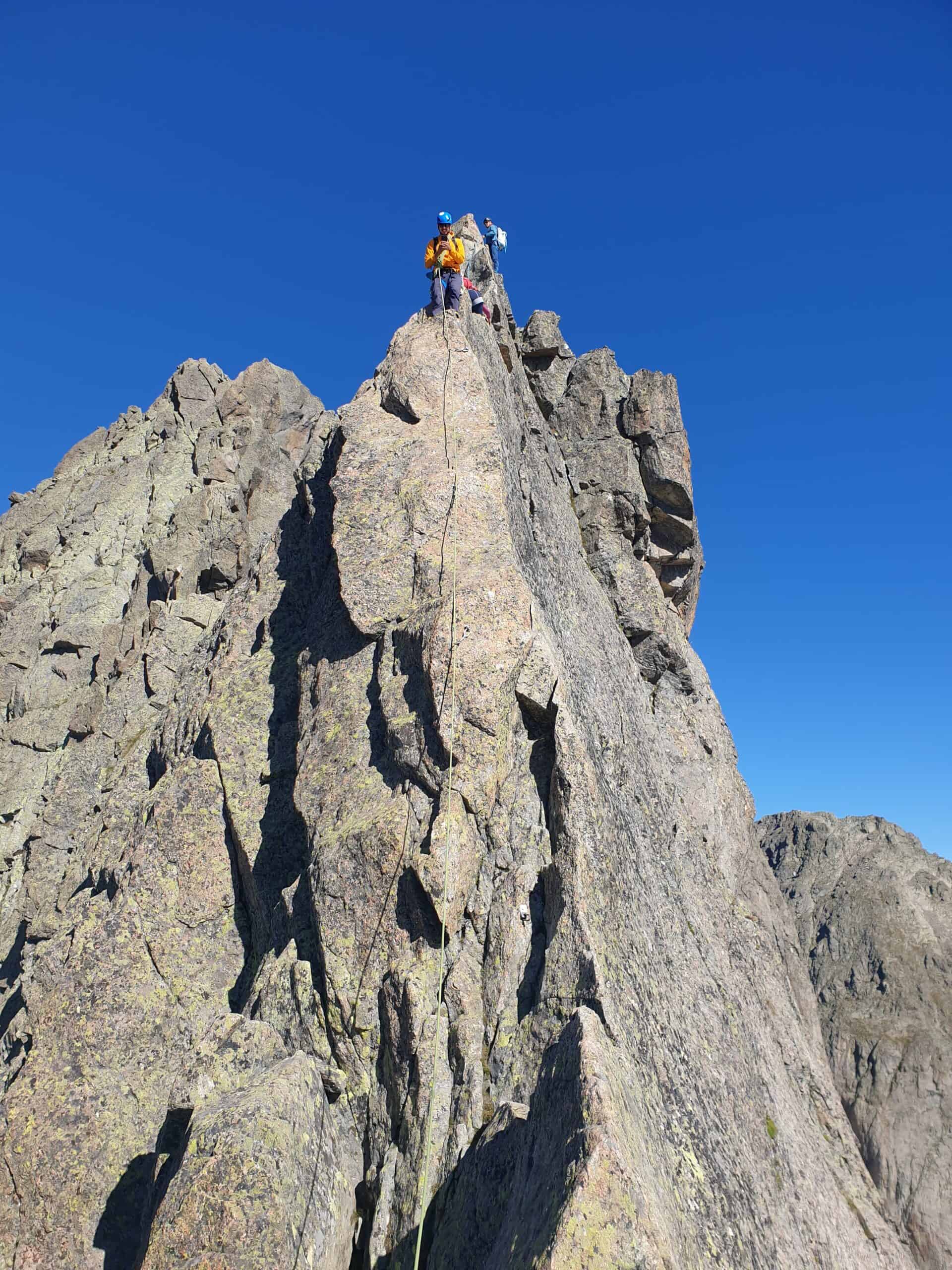
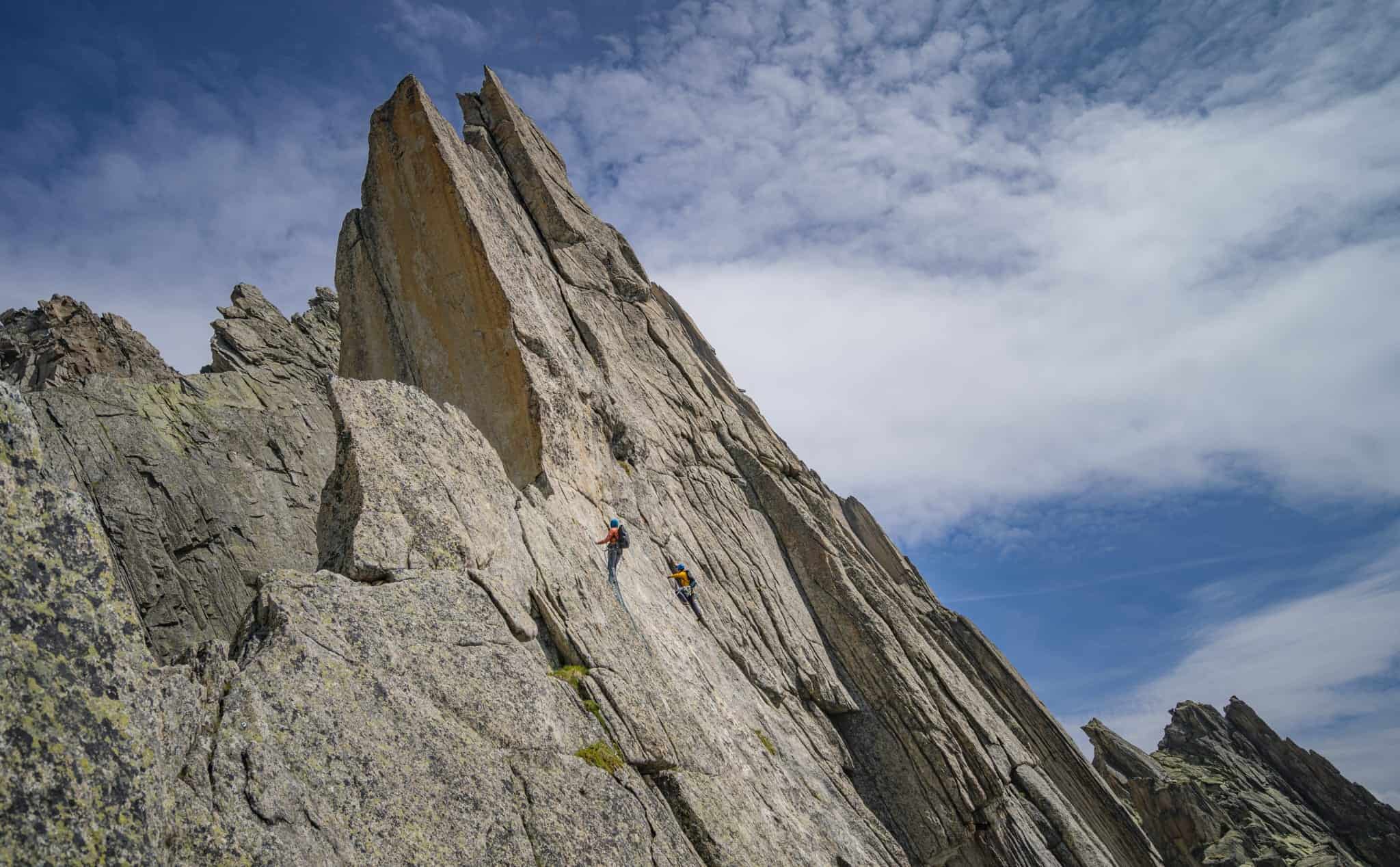
Highlights of ridge climbing – a brilliant climb with superb views

Interested in other tours?
Take a look at the complete offerNothing that suits you?
Do you prefer to travel in your own group? Book a private tour with us and enjoy and benefit from our professionals on the mountain.
Questions and answers about ridge climbing, and how to remember to breathe when looking down into the abyss ? ¿
What are the entry requirements for a ridge-climbing course?
For the ridge climbing course, you should be sure-footed and have a head for heights. A good basic level of fitness for alpine day hikes (approach, climbing, descent) is essential. You should also have some prior climbing experience (ideally as a second climber or on easy multi-pitch routes) and knowledge of basic belaying techniques.
What is the difference between ridge climbing and normal multi-pitch climbing?
When climbing in Multi-pitch routes Climbing is usually carried out belay station by belay station. When climbing a ridge, however, the terrain often alternates between steep ascents and flatter sections. To save time, one technique used here is “short-rope walking” – both climbing partners move simultaneously, the rope is shortened and secured dynamically over rock outcrops. There are also other techniques for moving swiftly along the long ridge, all of which our mountain guides will teach you from scratch during the course.
Will I learn how to "walk on a short rope" on the course?
Yes, that’s a key part of our ridge climbing courses! You’ll learn how to take up the rope correctly (rope shortening), what the ideal distance is between you and your climbing partner, and how to skilfully guide the rope around rocky outcrops to ensure you’re immediately secured should you stumble.
Do you climb the ridge in mountaineering boots or climbing shoes?
In alpine terrain, we usually climb ridges in mountaineering boots or sturdy approach shoes, as we often have to walk long distances or make the ascent through snow. Climbing shoes are only used for ridge climbing on exceptionally difficult individual sections. We practise using mountaineering boots on the rock extensively during the course, but climbing in climbing shoes is, of course, also permitted.
What materials do I need to bring to the course?
The basic kit includes a climbing harness, a helmet, a few screw-lock carabiners and slings. Depending on the destination, crampons and an ice axe may also be required for the approach. You’ll receive a detailed packing list when you book. You can often hire any technical equipment you’re missing; we do not hire out equipment ourselves.