Filters
Guided high altitude tours with Swiss mountain guide
Spaghetti tour, Matterhorn, Vrenelisgärtli, with us you will get on your favourite tour. Alpine tours in Switzerland with motivated mountain guides.
High tours course overview
Basic courses
Taster alpine toursGlacier and crevasse rescue courseBasic course alpine tours rock and iceRidge climbing in alpine terrainHigh tour course with 4000 metresIntensive alpine touring course 4000mApplication courses
High tours application courseAccess north wallsAdvanced courses
High tours coachingFilter and search for your favourite tour!
Search
date
Technics
Endurance
Category
Gonzenwand Climbing Tour | An alpine adventure on the Gonzen
An alpine adventure for experienced mountaineers who want to experience the wild beauty of the Gonzen at first hand.TechnicsEnduranceDaily, date on request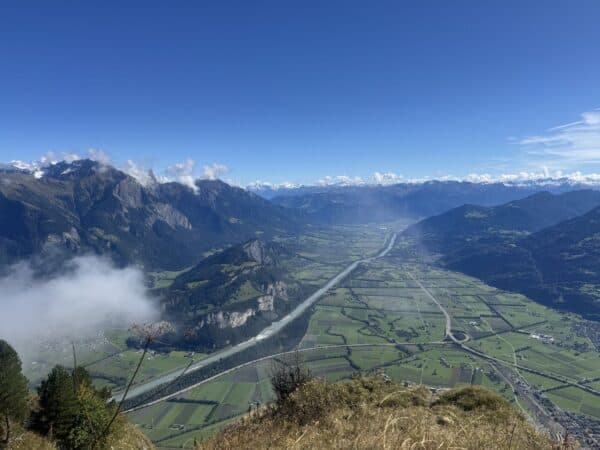
Mürtschenstock crossing
Three summits, exciting climbs and impressive views! Alpine challenge at the entrance to Glarnerland.TechnicsEnduranceDaily, date on request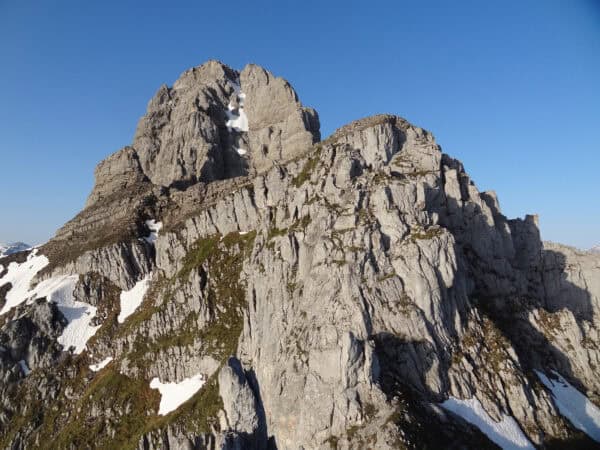
Mürtschenstock
Secluded ridge walks in Ticino | Pizzo del Prevat & Campolungo with a mountain guide
Climb along secluded and deserted ridges, then enjoy a refreshing dip in a mountain lake – spend a weekend in the wild countryside of Ticino.TechnicsEnduranceThe weekend of 3–4 October 2026
Lake Leit, Ticino
Crossing Clariden with a mountain guide
The Clariden crossing is one of the most beautiful classic alpine tours in Central Switzerland.TechnicsEnduranceThe weekend of 3–4 October 2026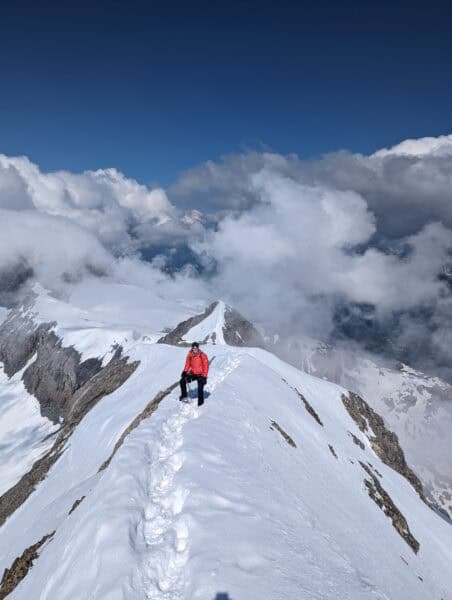
Clariden, Glarus – Uri
Nepal | Mera Peak Trekking 6’476m | Round trip with ascent in the Himalayas with a Swiss mountain guide
Experience the Himalayas intensively and climb your first 6,000-metre peak with maximum safety, perfect acclimatisation and a view that is second to none.TechnicsEndurance5 - 23 October 2026, Monday - Friday, 19 days4 - 22 October 2027, Monday - Friday, 19 days
Nepal, Himalayas
Easy high tour Vrenelisgärtli | Glärnisch massif
Visible from afar and shrouded in legend, the Vrenelisgärtli watches over the Glarnerland.TechnicsEnduranceThe weekend of 10–11 October 2026
Piz Bernina and Palü | Biancograt
The most famous crossing in the Engadin, unique and extremely rewarding, this route leads over the only 4,000 metre peak in Graubünden.TechnicsEndurance25–27 June 2027, Friday–Sunday, 3 days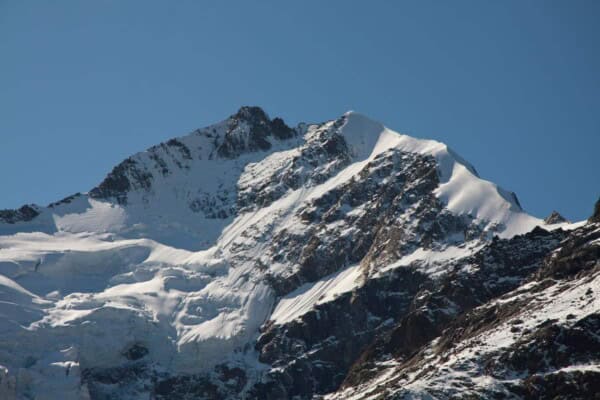
Biancograt, Graubünden
Climbing tour | Piz Badile north edge with mountain guide
The north face of Piz Badile is an alpine classic par excellence – 1,000 metres of the finest granite, enjoyable climbing in a perfect line and an experience that no climber should miss!TechnicsEndurance16–18 July 2027, Friday–Sunday, 3 days13–15 August 2027, Friday–Sunday, 3 days
Piz Badile, Graubünden
Climbing Tour | Salbit South Ridge with Mountain Guide
Classic climbing routes on the finest Uri granite at grade 5 – with guaranteed panoramic views!TechnicsEnduranceThe weekend of 24–25 July 202727–28 August 2027, Friday–Saturday, 2 days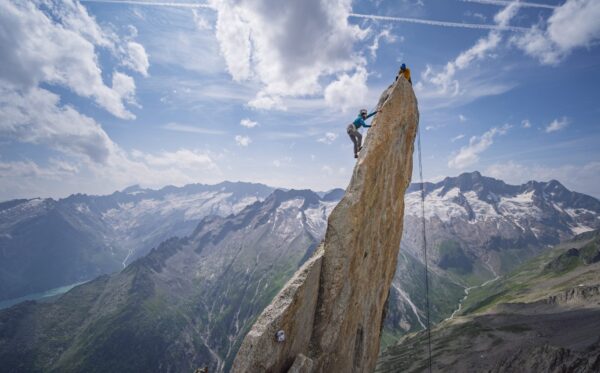
Salbit south ridge
Alpine Tour | Mittellegi Ridge on the Eiger
THE ridge: imposing and impressive - the border between the green, hilly foothills of the Alps and the glaciated, white high mountain world.TechnicsEnduranceDaily, date on request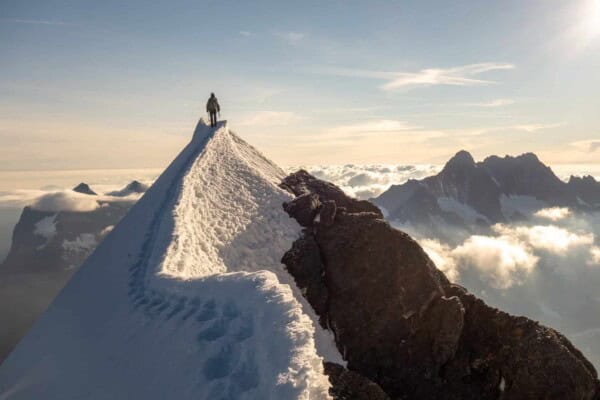
Eiger, Bern
Climbing Tour | Trotzig and Wichelplangg Sticks
Fantastic ridge climbing in the Sustli area!TechnicsEnduranceDaily, date on request
Dent de Broc climbing tour with a mountain guide | Crossing the West Ridge
The Dent de Broc is one of the most striking peaks in the Fribourg Pre-Alps and offers a surprisingly alpine adventure with breathtaking views down into the valley, exciting ridge climbing and magnificent views over the Gruyère region.TechnicsEnduranceDaily, date on request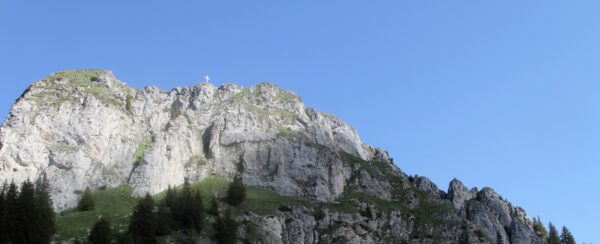
Dent de Broc, Fribourg
Schafbergkante | Alpine climbing tour in the Säntis massif with a mountain guide
Varied climbing tour in sharp limestone with a good grip: climbing, scrambling and abseiling.TechnicsEnduranceDaily, date on request
Schafberg, St Gallen
High tour | Jungfrau with Swiss mountain guide
High tour to the glaciated giant of the Bernese Oberland.TechnicsEnduranceDaily, date on request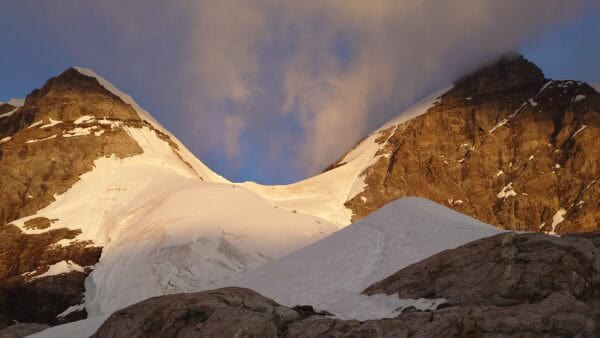
Jungfrau, Bern
Chli & Gross Läckihorn Mountain Tour | Traverse with a mountain guide
A varied high-altitude hike in the heart of the Uri Alps: over ridges, boulder fields and easy, enjoyable climbing sections, we cross the Chli and the Gross Läckihorn.TechnicsEnduranceDaily, date on request
- Download more offers!
Possible private tours with us:
Eiger Integral | Ostegg - Mittellegi
The complete ridge of the Eiger - from Ostegg via Mittellegi to the Eiger. Views down into the lowlands and views of the glacier landscape while scrambling over the ridge.TechnicsEnduranceTo the offerDaily, date on request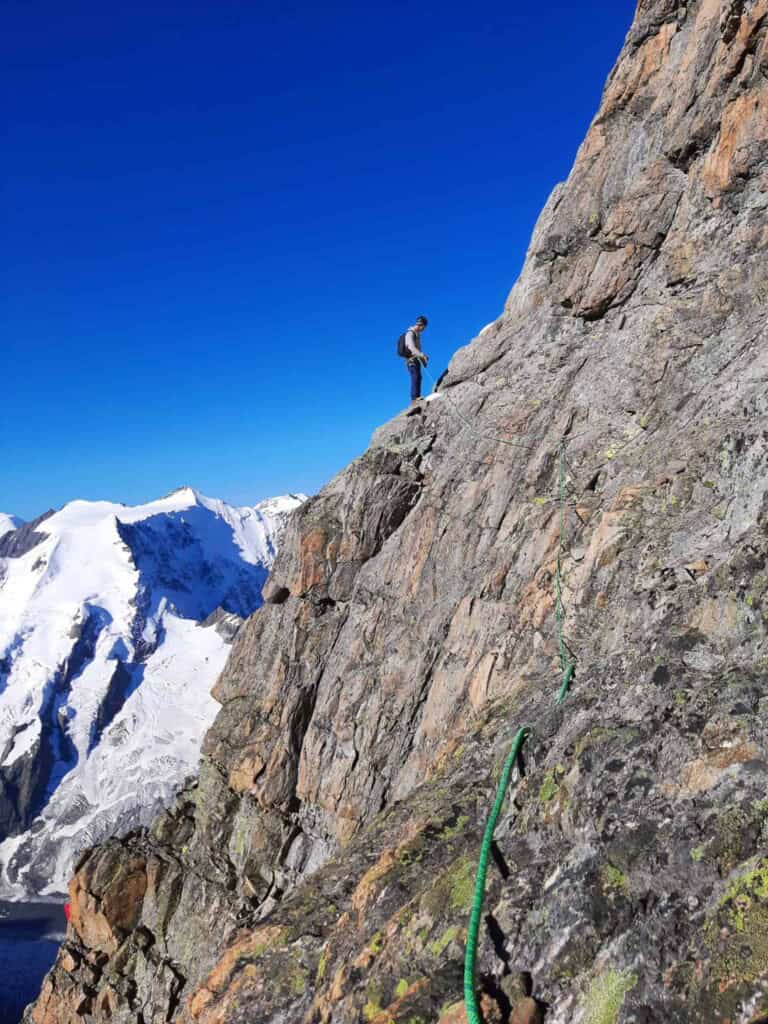
Matterhorn High-Altitude Trek | Over the Hörnligrat with Swiss mountain guides
The icon of Switzerland, the Toblerone mountain, the landmark of Zermatt... We all know it!TechnicsEnduranceTo the offerDaily, date on request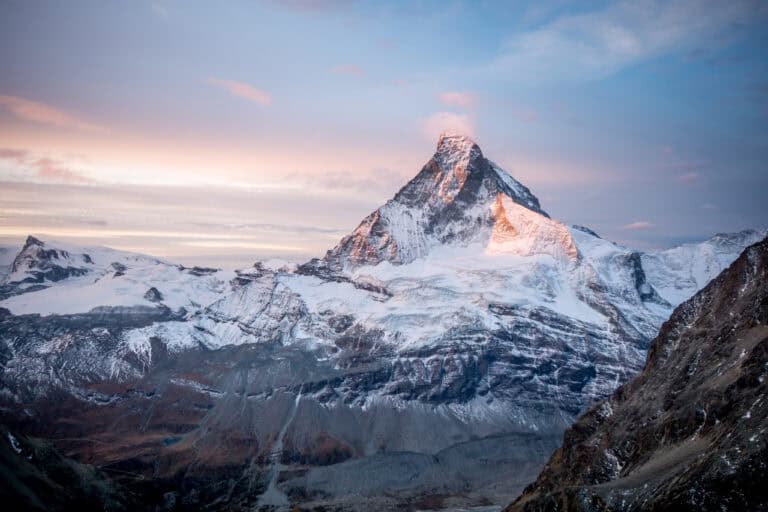
Matterhorn, Valais
Climbing tour | Fergenkegel south face with mountain guide
Alpine insider tip in the Silvretta! Enjoy alpine climbing on the striking Gneisturm tower nestled in the wild landscape of the Silvretta.TechnicsEnduranceTo the offerDaily, date on request
Fergenkegel
Alpine Tour | Tödi with Mountain Guide
Prominent and majestic - the highest Glarus 3614m.TechnicsEnduranceTo the offerDaily, date on request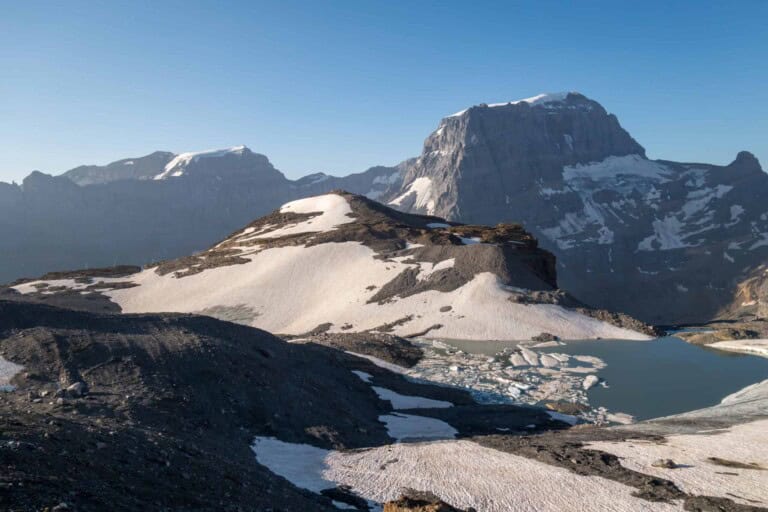
High Altitude Tour | Mönch and Jungfrau with Mountain Guide
High altitude tour on the divide between green lowlands and white, glaciated high mountains.TechnicsEnduranceTo the offerDaily, date on request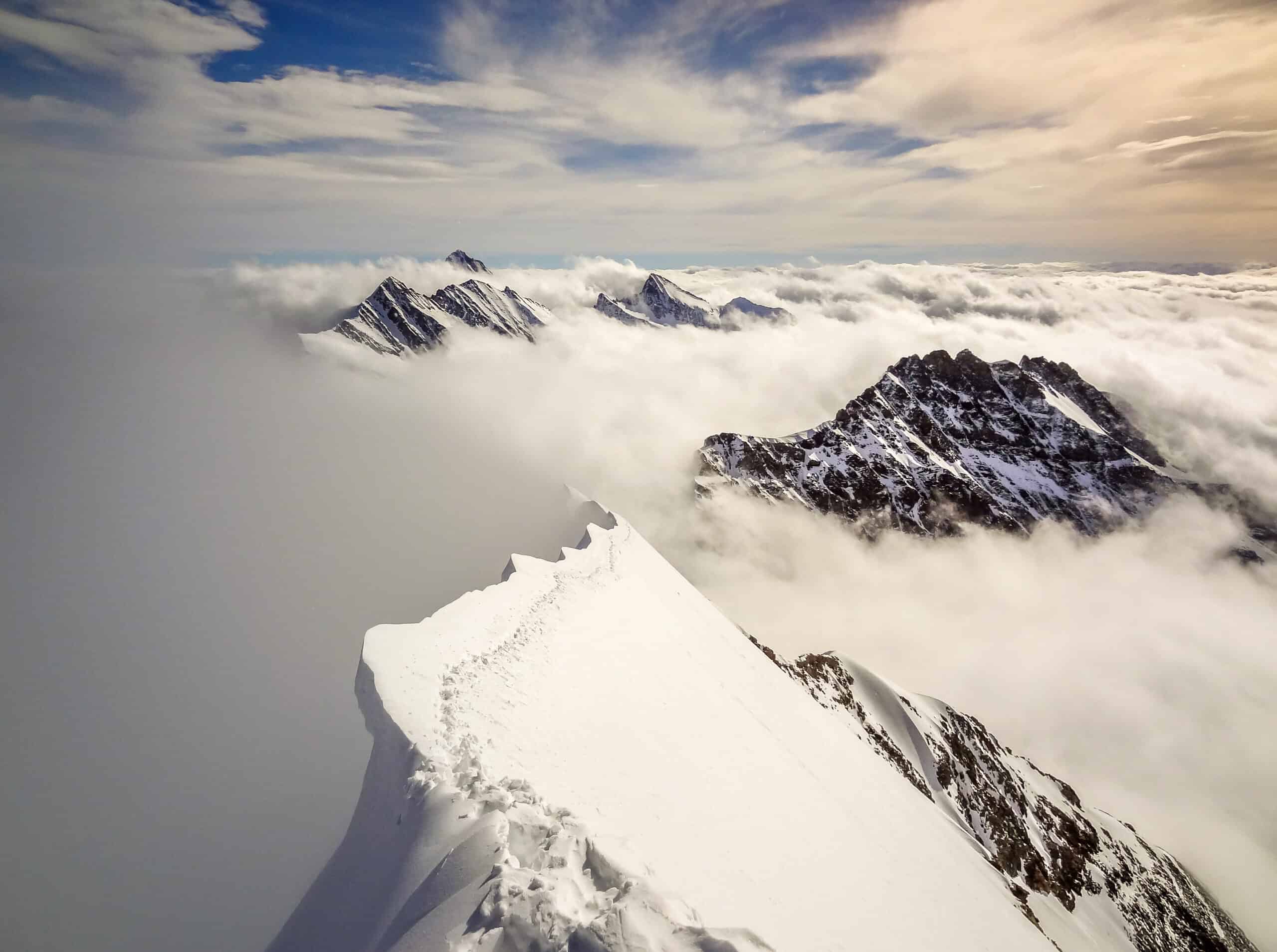
Monk
Virgin
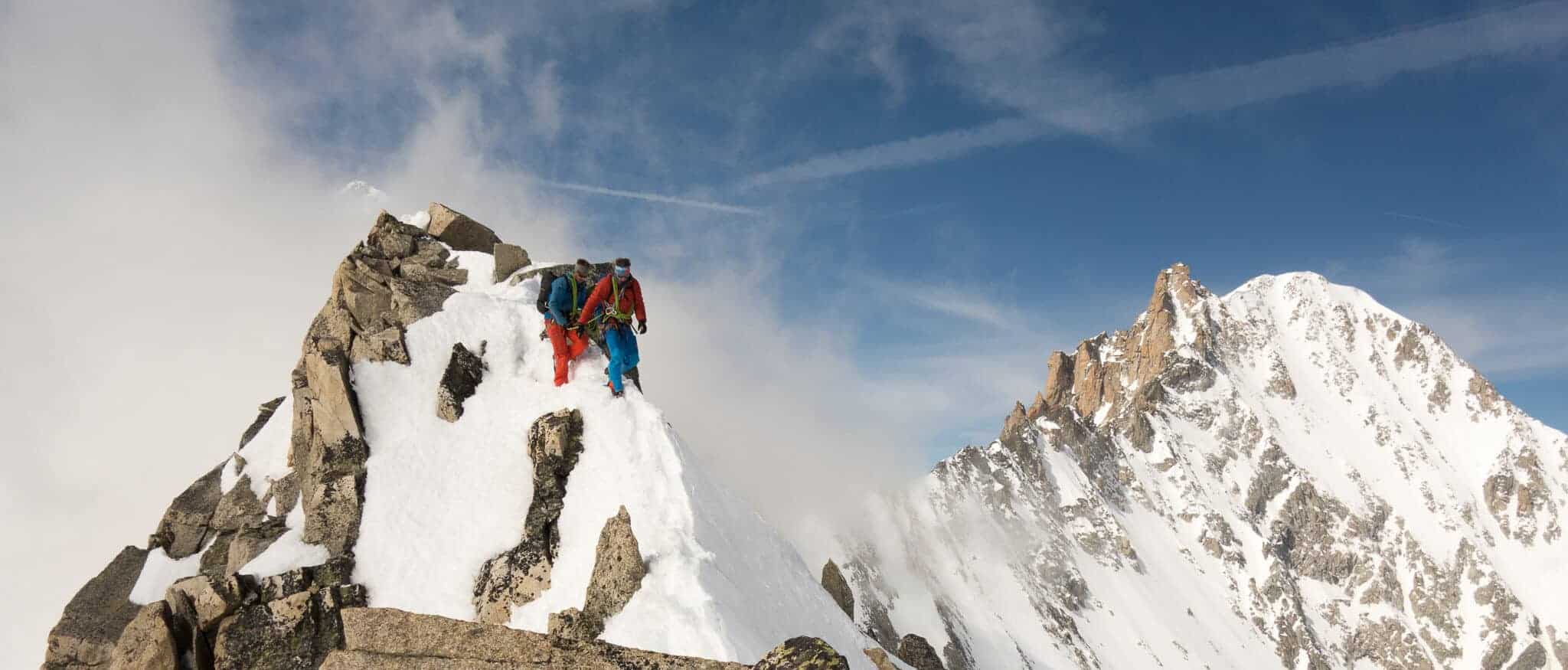
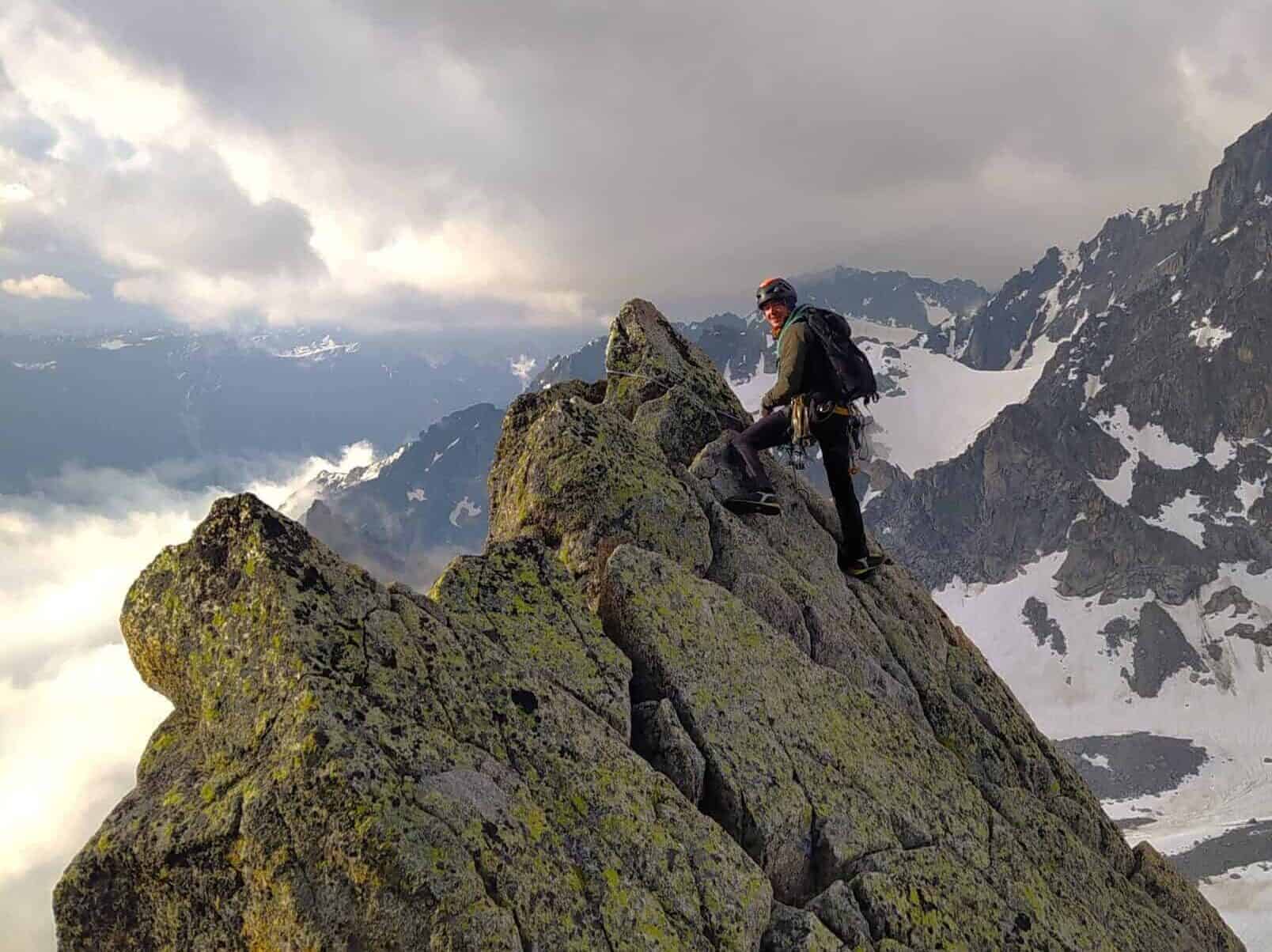
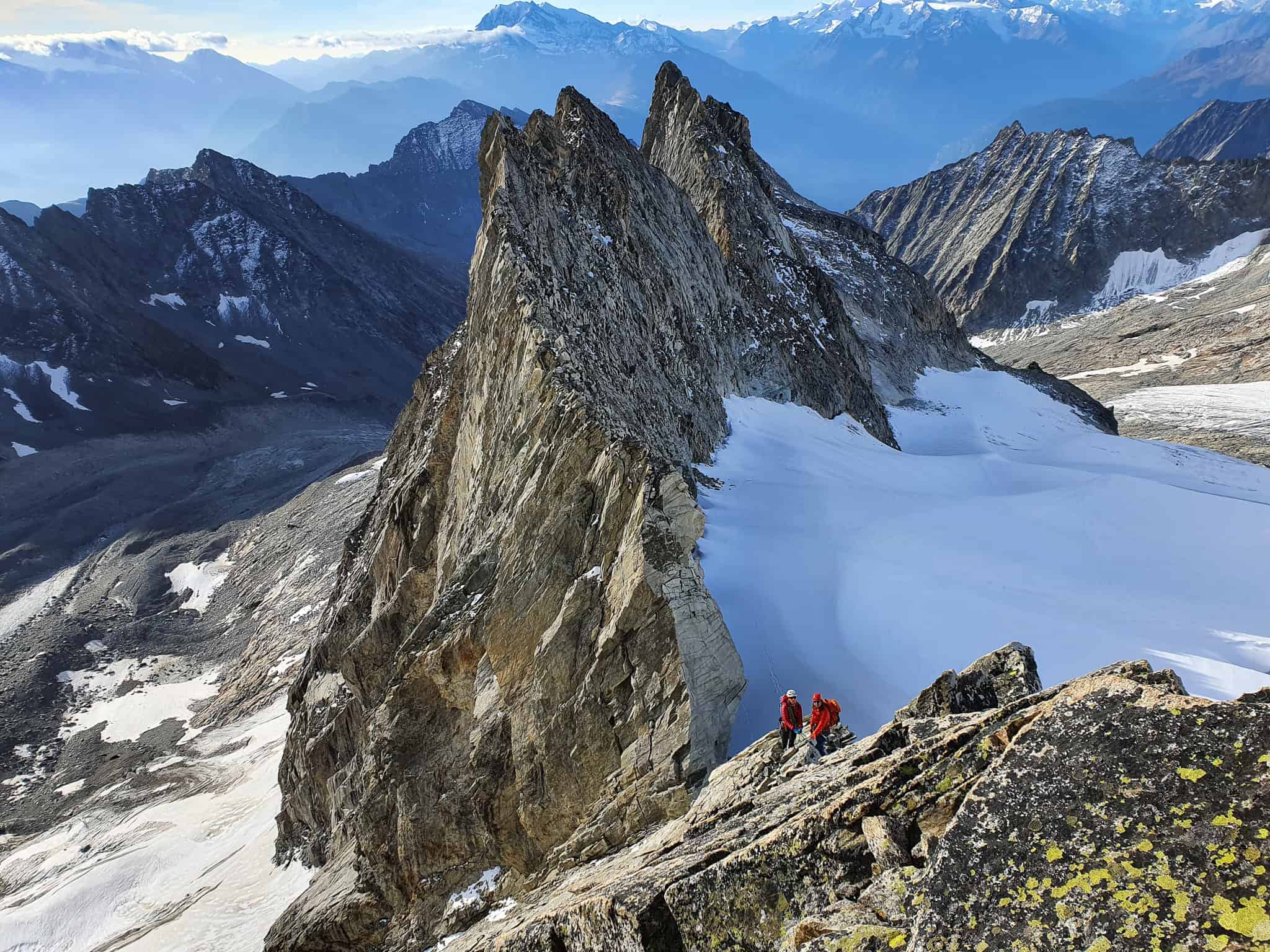
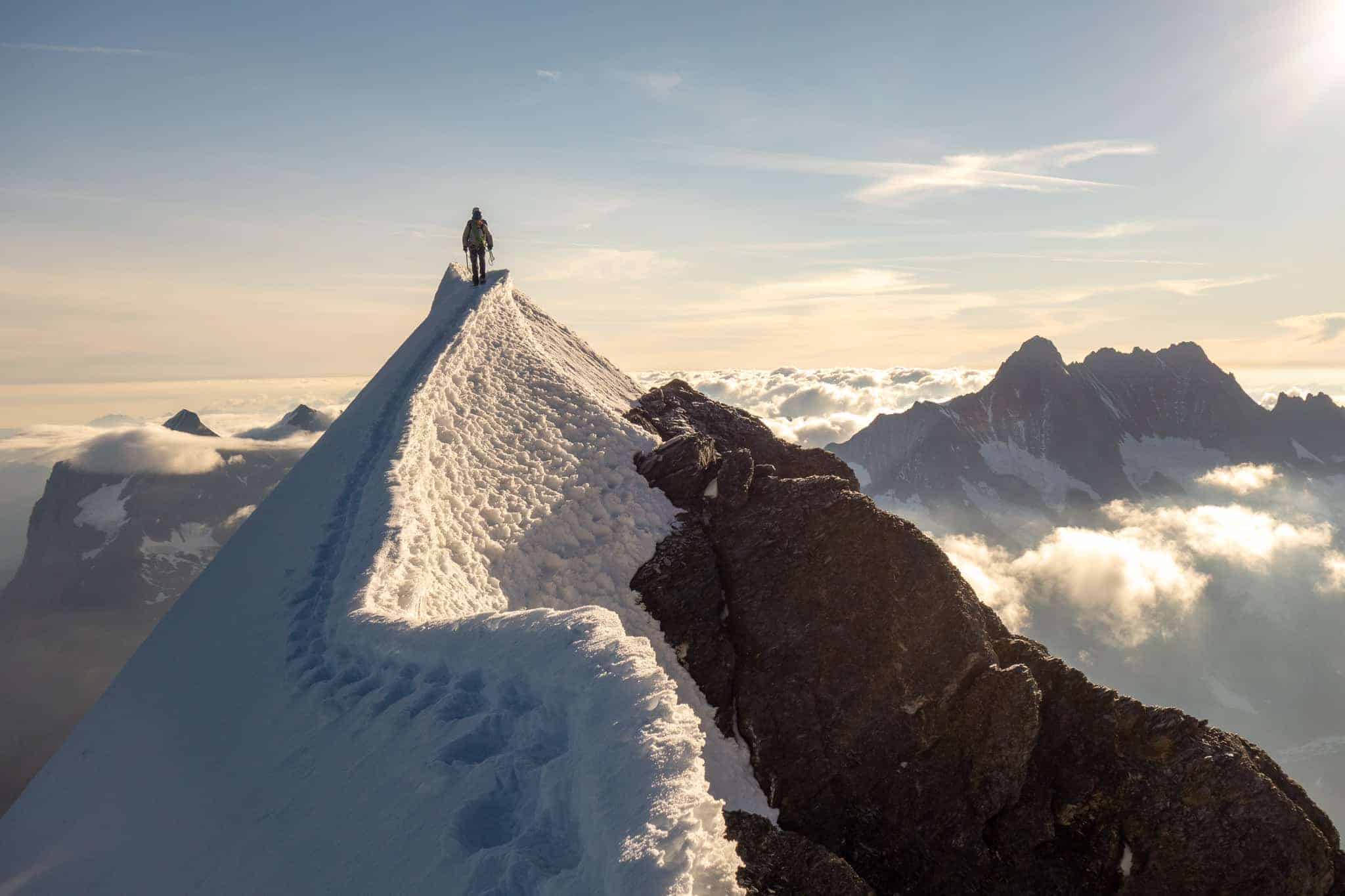
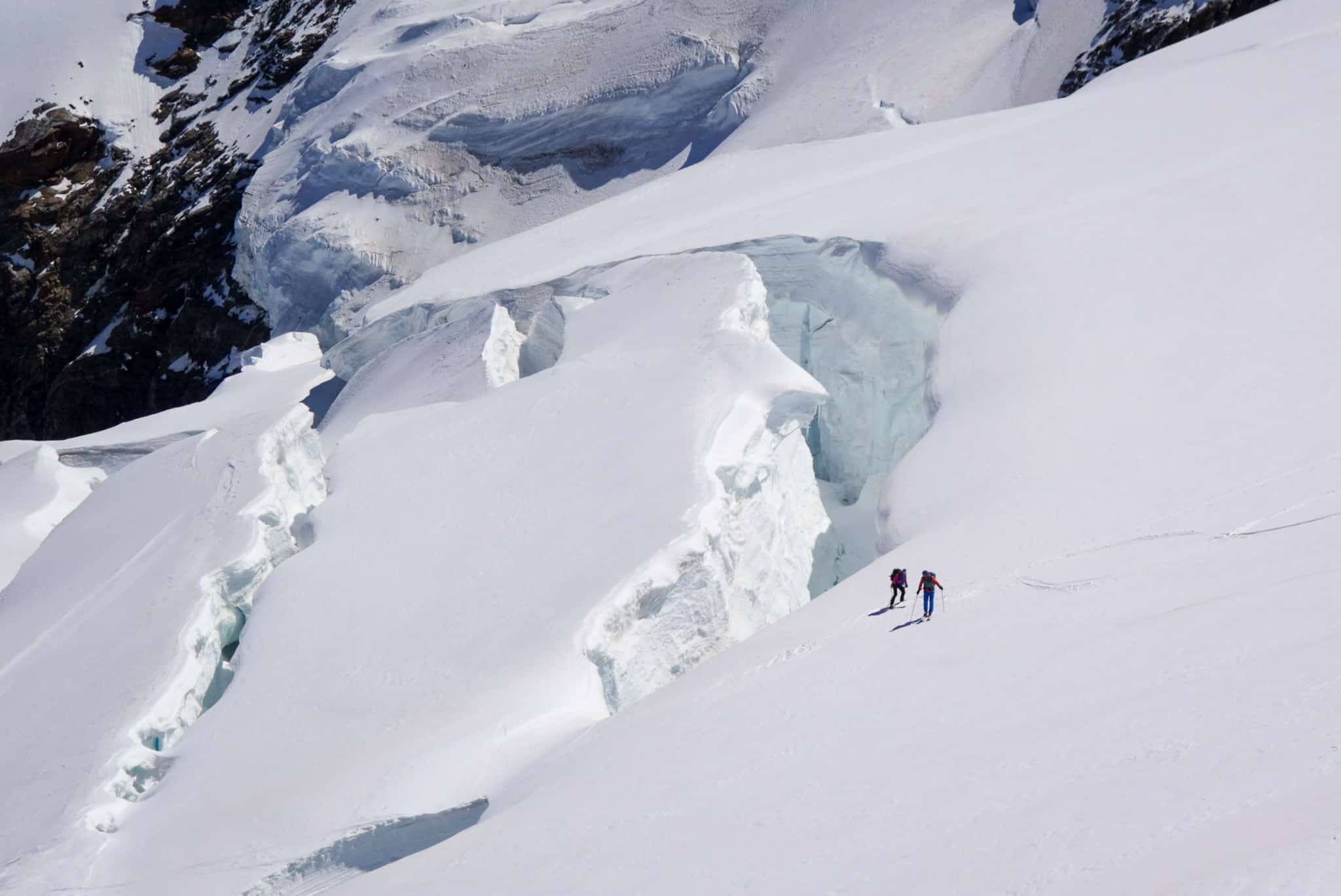
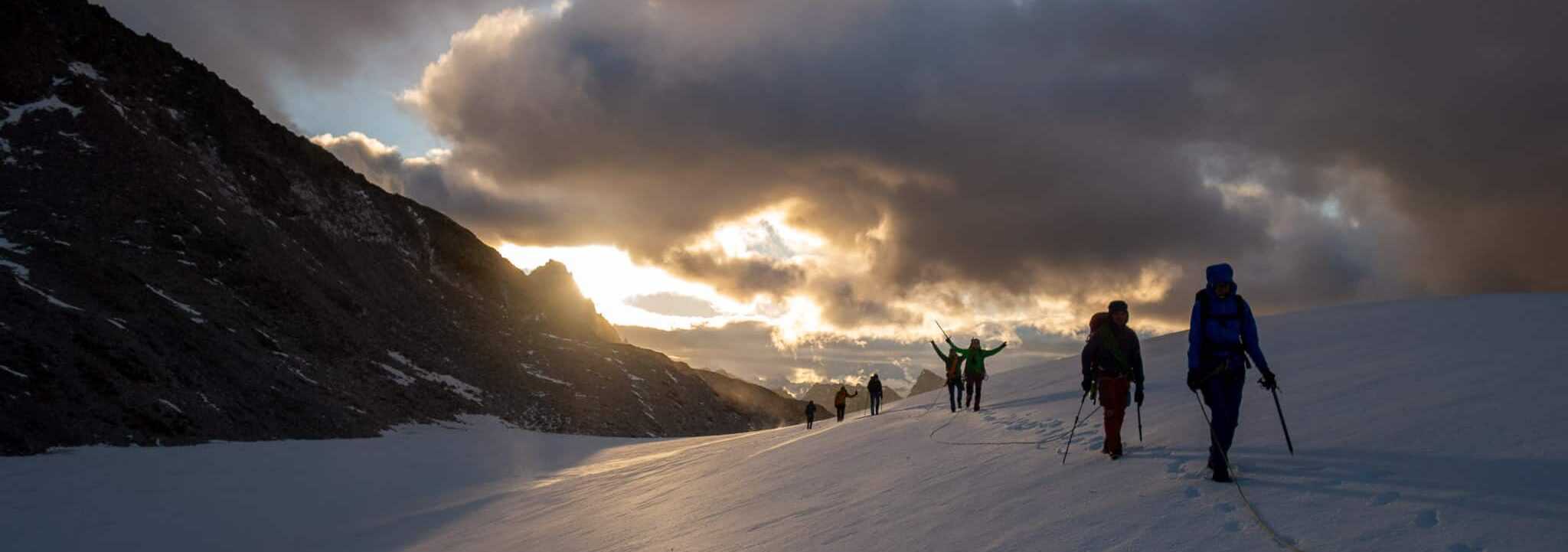
Impressions of guided alpine tours with us:
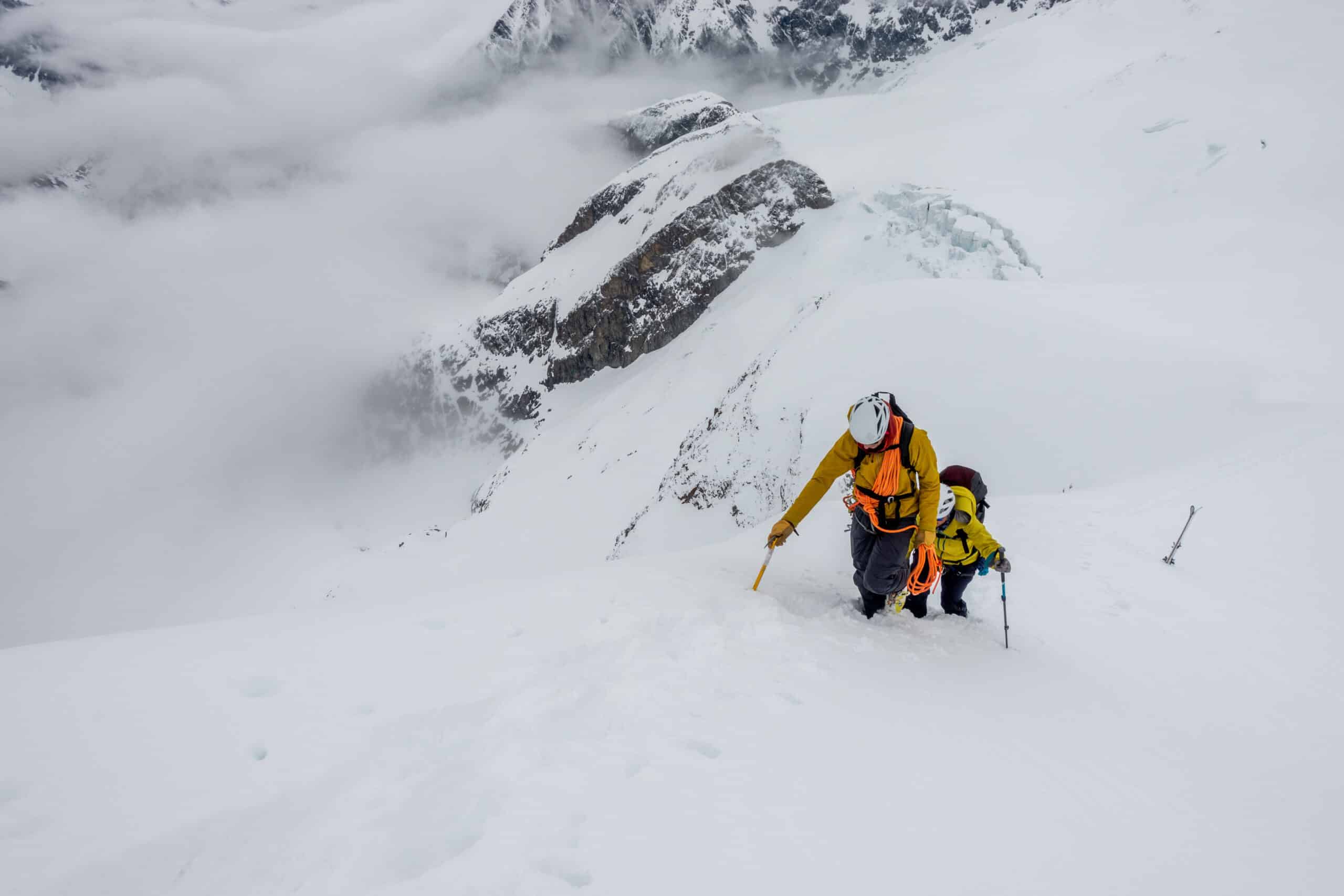
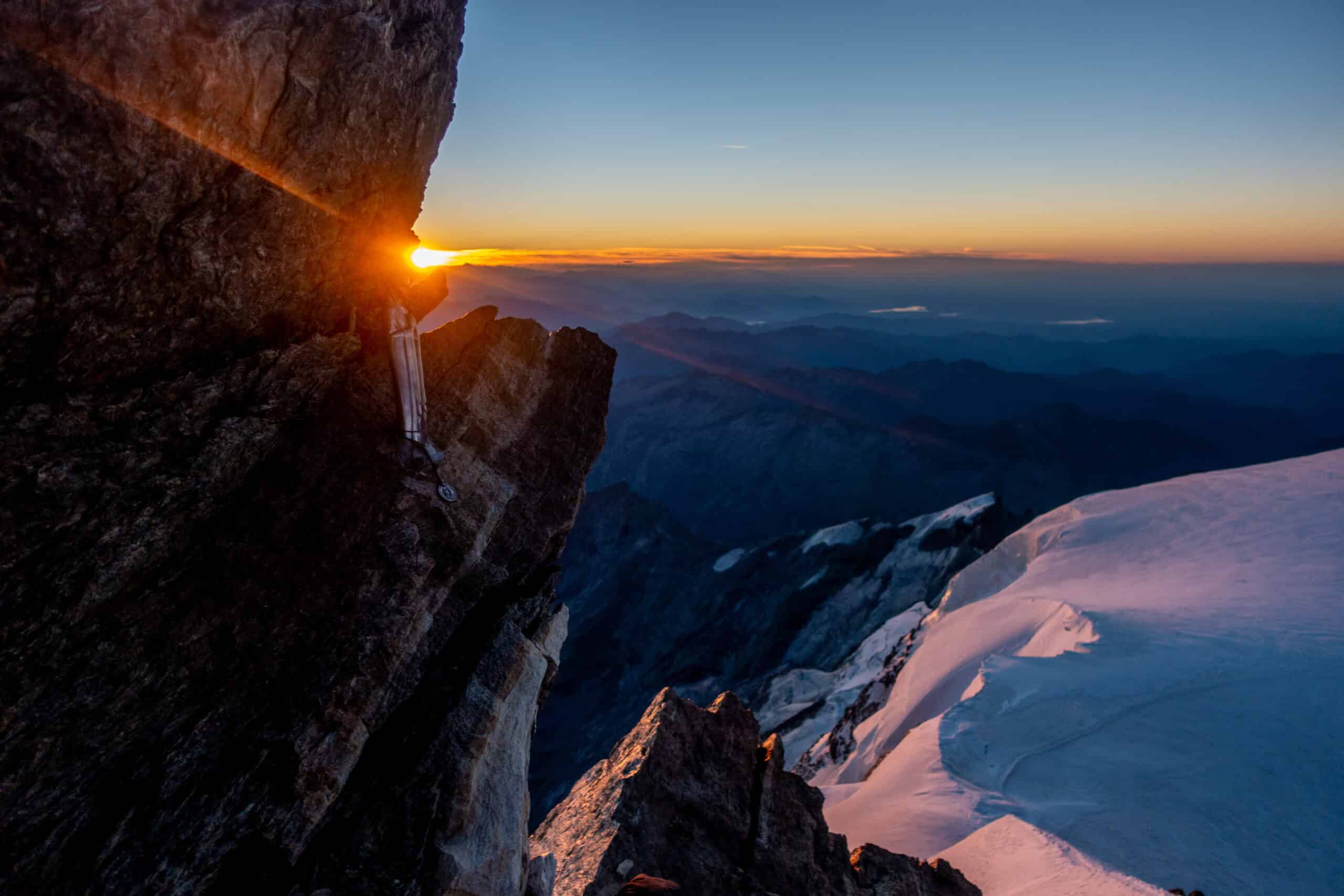
Interested in other tours?
Take a look at the complete offerNothing that suits you?
Do you prefer to travel in your own group? Book a private tour with us and enjoy and benefit from our professionals on the mountain.
Any questions about High Altitude Tours ? ¿
What is a high altitude tour (definition)?
A high-altitude tour is a mountain tour in the high mountains. The high mountains are characterised by glaciers, snow and rocks. You are always travelling in open terrain, i.e. without a path. You are travelling on rock, snow or ice (combined terrain). The aim of an alpine tour is usually to reach a summit, but traversing the high mountains with the motto "The journey is the reward" is just as beautiful. Technical equipment such as ropes, ice axes and crampons are often needed to make high mountain ascents safe (crevasses, exposed terrain, climbing passages). A somewhat more detailed discussion you can find on Wikipedia.
What is considered a high altitude tour?
A tour is considered an alpine tour as soon as you are on combined terrain, i.e. rock, snow and ice. On an alpine tour, you move on glaciers and snowfields. Compared to hikes, high altitude tours take you off the beaten track and require technical equipment such as ropes, ice axes and crampons.
High altitude tours can be quite easy. There are glaciers that are flat and have few crevasses, so the ascent is not very demanding. The Sustenhorn for example, is an easy high-altitude tour. On somewhat more demanding high-altitude tours, a climbing section or a somewhat steeper passage must be mastered. Here is the Alphubel over the Feekopf a good example. Of course, there are also long and difficult high-altitude tours. The Schreckhorn is considered the 4,000 metre peak with the most difficult normal route in Switzerland.
At what point does one speak of "high alpine"?
High alpine area belongs to the high mountains and is a type of landscape characterised by snow cover and glaciers. By definition, high alpine terrain protrudes at least 1000m. High alpine terrain is characterised by distinctive terrain features such as glaciers, rock faces, steep slopes, summit ridges and peaks.
How do I plan a high altitude tour?
The planning of high altitude tours is complex, because many different points have to be taken into account. In doing so, one applies the 3×3 scheme and takes into account the conditions, the terrain and the people. We impart this knowledge in our courses and go on our tours gladly respond to this topic.
Here is a very rough outline of how the three most important points are addressed:
Conditions:
- The current Weather can be accessed on the usual meteoapps. In summer, special attention is paid to thunderstorms and rapidly changing weather conditions.
- The current snow situation can be checked with webcams, Snow maps and phone calls to the local lodge can be determined.
- The current situation of the crevasses can be seen via photos of Tour portals or by telephone calls to the local lodges.
- In addition, the Leaflet from Y+S "Meteo" grandiose.
Terrain:
- Primarily, the detailed maps help to plan tours.
- Apps like FatMap, Swiss Topo or Google Earth are very helpful.
- Images on the Tour portal from the SAC or current tour reports support the preparation.
People:
- Who is coming, what are the skills of the individual participants?
- Who leads the group?
- What is the group constellation like and what kind of group dynamic processes can arise?
- The material for each individual and as a group should be available.
How dangerous are high altitude tours?
There is no doubt that there are dangers in the high mountains. But these can be minimised and reduced to a small risk. Our mountain guides are sensitised to the dangers in the high mountains and put safety first. A small residual risk always remains. The beauty of the Swiss mountains makes this residual risk look relatively small.
How is the difficulty of alpine tours classified?
The alpine tours are classified as a whole with a scale from L (easy) to SS (very difficult). In addition, the climbing difficulty according to UIAA is often added with Roman numerals. For example, you will find many alpine tours with climbing difficulties of III). The following document provides detailed information. Also on the SAC page you can find more information.
What equipment is needed for a high altitude tour?
We have an extensive Packing list for alpine tours compiled.
What is the difference between high altitude touring and high altitude mountaineering?
High-altitude mountaineering is a completely different world to the classic alpine tours in Switzerland. High-altitude mountaineering starts at around 6,000 metres above sea level and requires the body to acclimatise to the altitude over a longer period of time. At altitude, the oxygen content is lower and the body needs time to acclimatise. From 8,000 metres above sea level, you reach the death zone, where the body can no longer regenerate.
Do I have to be sure-footed and free from vertigo for a high-altitude tour?
Surefootedness is important and can be learned. Moving on an alpine tour gives routine, you get used to the terrain and become more sure-footed.
A head for heights is not mandatory for all tours. Easy tours often lead over gentle terrain. On more demanding tours, a head for heights is mandatory. A head for heights can also be trained. This has its origins in fear of heights. Fears can be gradually reduced through positive experiences. Also the fear of heights.
You can always like to contact usto discuss which tour is suitable for you.
How many 4000m peaks are there in Switzerland?
In Switzerland there are 48 official 4,000s. An elevation counts as a summit if the embrasure height (also known as prominence) is at least 30 metres. In the case of independent mountains, the embrasure height must be between 100 and 300 metres. In the Alpine region there are 82 Summit above 4,000 metres above sea level. These are located in Switzerland (48), Italy (37) and France (26). Many peaks are border peaks and therefore belong to several countries.
What is the advantage of a guided high tour?
There are several advantages of a guided tour:
Training
Our mountain guides are super trained and ensure the highest level of safety on the tours. Safety always has top priority on our tours.
Organisation
We take care of the organisation of a tour or a course from A to Z. You just register and we take care of the accommodation, tour itinerary and travel. If the conditions are very bad, we will reschedule the tour or choose a place with better conditions. You register and can enjoy the organised programme.
Training
Our mountain guides are didactically top and always open to teach you new techniques and tactics. In our courses we always impart the latest knowledge and divide the content into meaningful topics. You can learn a lot and gain a lot of experience with us.
Demanding tours
We are happy to accompany you on a challenging tour that you would otherwise not dare to do. Whether we lead the whole tour and you can enjoy the safety and nature, or whether we are there as coaches and show you how to handle the route as a team and thus help you progress, is entirely your decision. Our team includes technically strong mountain guides who are happy to lead you through difficult tours.
What is a rope team?
A rope team is a team of people who connect with a rope on a mountain tour in order to travel safely in the mountains. On a glacier, you form a rope team to be able to catch a possible crevasse fall. A rope team can consist of two to eight people. On climbs, the lead climber belays by attaching the rope to safe points on the mountain, thus preventing a person following behind from falling. When climbing, one travels in rope teams of two to three people.
When do you need a mountain guide?
You’ll need a mountain guide if you want to undertake a tour for which you lack sufficient knowledge or which you don’t want to organise yourself. We have provided a detailed explanation here.
Does Bergschaft also offer privately guided high altitude tours?
On our Offer pages you will find group tours. Anyone who is interested in the respective offer can register for these tours. On private tours you can choose your offer as you like and with exactly the group you want. For private tours you are welcome to Contact us.
Do you have any other questions?
If you have any further questions or would like to have a chat with us, please feel free to get in touch.