
Filters
Rock climbing courses: sport climbing, multi-pitch routes and much more
Swap the indoor climbing wall for real rock! On our climbing courses in Switzerland and neighbouring countries, you’ll learn everything you need for a safe vertical adventure. Whether you’re a beginner taking your first steps outdoors on a basic climbing course, practising how to set up a secure belay station, or perfecting your use of mobile anchors on the rock in an advanced course – our mountain guides will be happy to support you every step of the way. Experience the thrill of rock climbing, refine your climbing technique and build complete confidence in yourself and your equipment. Find the right course near you now and get your outdoor adventure started!
Climbing course overview
The basic courses are for beginners and require little or no prior knowledge. The application courses are advanced and require corresponding prior knowledge (see the course description in each case).
Basic courses
Basic course climbing gardenClimbing days TicinoIndoor technologyOutdoor technologyMental and fall trainingBasic multi-pitch climbing courseRidge climbing in alpine terrainBasic course in clean and crack climbing
Application courses
Advanced course + refresher multi-pitch courseClean and crack climbingApplication tours
SalbitMotörheadPiz BadileClimbing trips
SardiniaCalanquesClean and climbing trip Dolomites + TradFilter and search for your favourite tour!
Search
date
Technics
Endurance
Category
Advanced Multi-Pitch Climbing Course in Ticino | Refresher and practical tour with a mountain guide
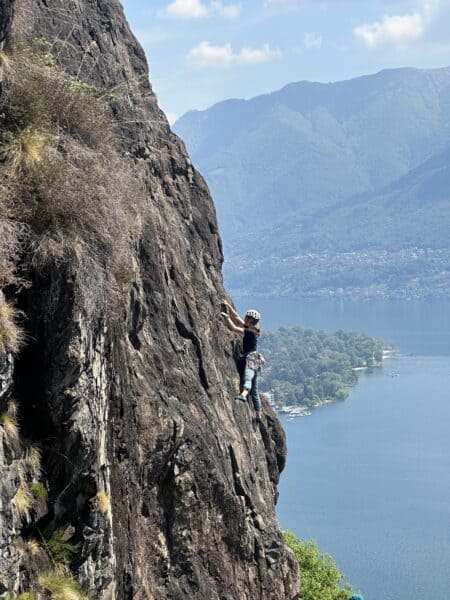
Safety, routine and fun in the vertical. You will consolidate your knowledge and become an independent multi-pitch climber!TechnicsEnduranceThe weekend of 10–11 October 2026The weekend of 17–18 October 2026The weekend of 24–25 October 2026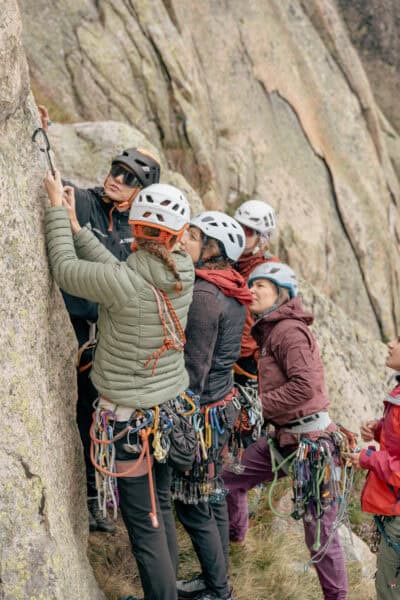
Ticino
Basic rock climbing course in Ticino | Introduction and use of the climbing garden with a mountain guide
Learn sport climbing on the rocks with us and be inspired! In two days, we will teach you the skills you need to climb independently and safely in a climbing garden.TechnicsEnduranceThe weekend of 10–11 October 2026The weekend of 17–18 October 2026The weekend of 24–25 October 2026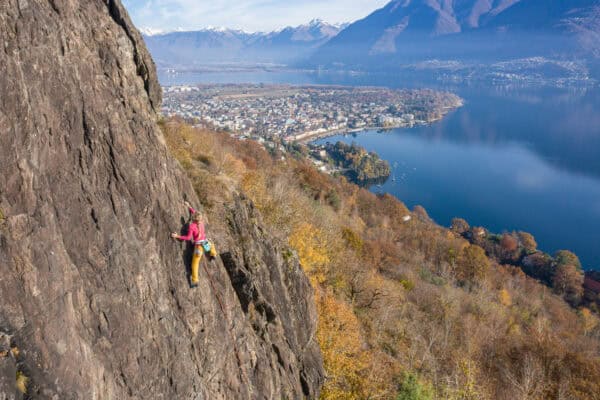
Ticino
Basic multi-pitch course in Ticino | Training and practical tours with a mountain guide
Pitch after pitch in the best gneiss - learn multi-pitch climbing in sunny Ticino and take the plunge from the climbing garden to the wall!TechnicsEnduranceThe weekend of 10–11 October 2026The weekend of 17–18 October 2026The weekend of 24–25 October 2026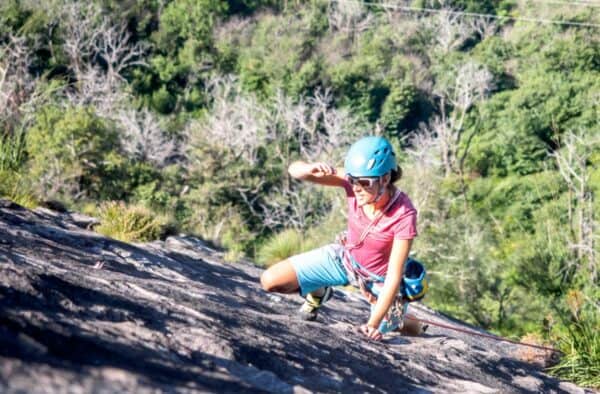
Ticino
Climbing Days in Ticino | Intensive climbing and multi-pitch course with a mountain guide
Climbing in Ticino in the sun! Everyone is welcome, whether rock climbing novice or outdoor enthusiast! These four days will take you to a new level! Learn, practise and enjoy is the motto of these days in sunny Ticino.TechnicsEndurance29 Oct - 1 Nov 2026, Thursday - Sunday, 4 days26–29 March 2027, Friday–Monday, 4 daysEaster1–4 April 2027, Thursday–Sunday, 4 days
Ticino
Introductory course in clean and trad climbing in Cadarese with a mountain guide
Discover the authentic side of climbing in Cadarese! Learn, step by step, how to secure yourself using friends and nuts, how to climb cracks, and how to master your first trad lead routes.TechnicsEndurance26–29 November 2026, Thursday–Sunday, 4 days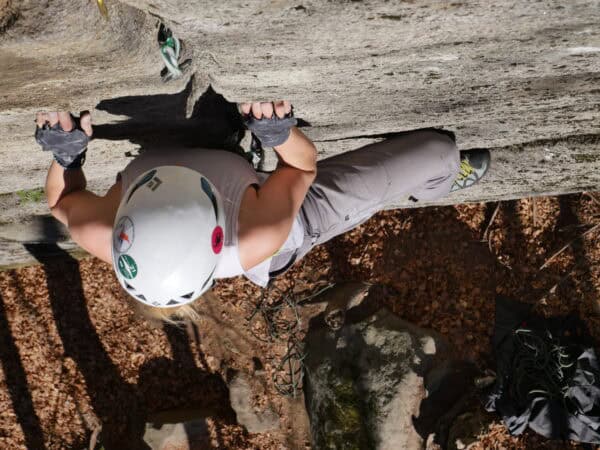
Cadarese, Italy
Indoor climbing training | technique, tactics, physical and mental strength
We spend four evenings in the climbing hall and take your climbing level to a new level. We delve deeper into climbing technique, but also cover topics relating to tactics and mental and physical strength.TechnicsEndurance28 Jan. + 4, 11 and 18 Feb. 2027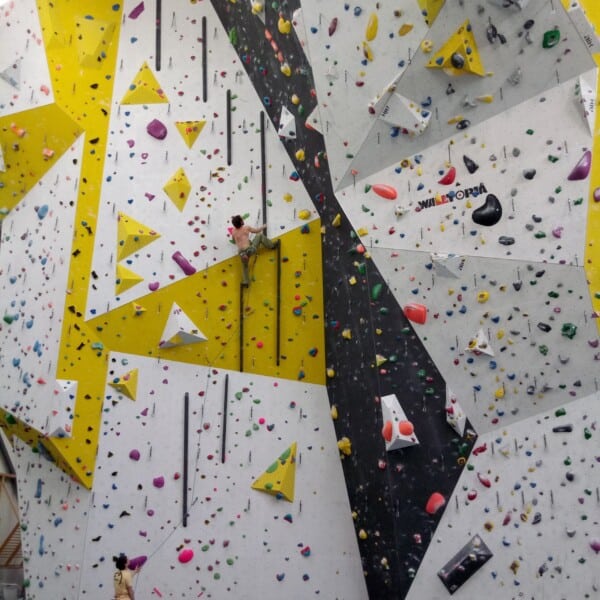
Climbing hall Griffig
Basic multi-pitch course in Ticino | Training and practical tours with a mountain guide
Pitch after pitch in the best gneiss - learn multi-pitch climbing in sunny Ticino and take the plunge from the climbing garden to the wall!TechnicsEndurance5–7 March 2027, Friday–Sunday, 3 days30 April – 2 May 2027, Friday – Sunday, 3 days8–10 October 2027, Friday–Sunday, 3 days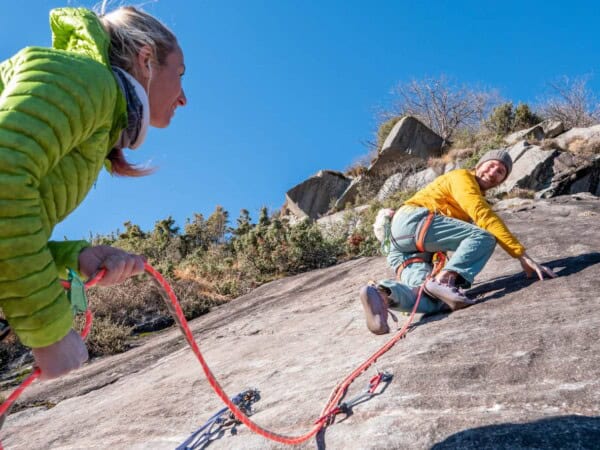
Ticino
Basic rock climbing course Meiringen | Introduction and use of the climbing garden with a mountain guide
Learn sport climbing on the rocks with us and be inspired! In two days, we will teach you the skills you need to climb independently and safely in a climbing garden.TechnicsEnduranceThe weekend of 20–21 March 2027The weekend of 17–18 April 2027The weekend of 15–16 May 2027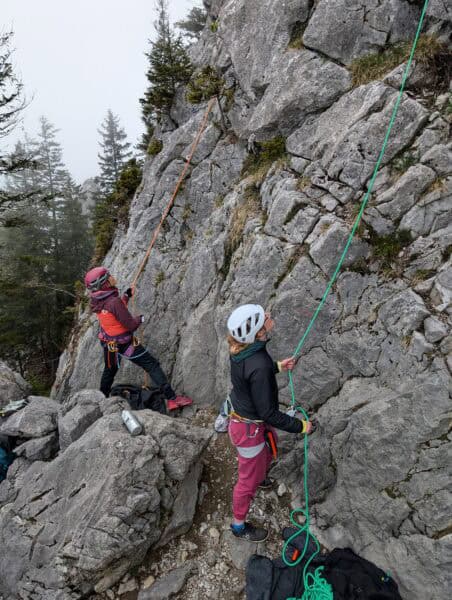
Meiringen, Bern
Outdoor rock climbing technique course | Technique, tactics and physical strength
We'll take you to the next climbing level! Expand your technical skills and climbing abilities with us.TechnicsEnduranceSaturday, 3 April 2027Eastern SwitzerlandSunday, 9 May 2027Central Switzerlandand other data.
Eastern Switzerland
Central Switzerland
Bern regionMental training for outdoor rock climbing | fall training and mental strength
More courage, more control, more flow - we strengthen your mind and take you mentally to the next climbing level!TechnicsEnduranceSunday, 18 April 2027Central SwitzerlandFriday, 28 May 2027Eastern Switzerlandand other data.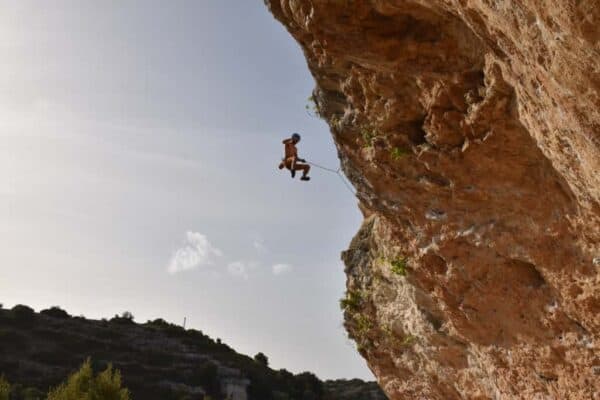
Eastern Switzerland
Central Switzerland
Law
Bern regionBeing a woman on the rock | Experience courage, self-confidence and community on the rock
Courage begins in the mind. Three days that will boost your self-confidence and help you to recognise and overcome your inner limits. With gentle guidance, you will develop mental strength and take your next step in climbing!TechnicsEndurance24–26 April 2027, Saturday–Monday, 3 daysTicino16–18 July 2027, Friday–Sunday, 3 daysToggenburg13–15 August 2027, Friday–Sunday, 3 daysToggenburg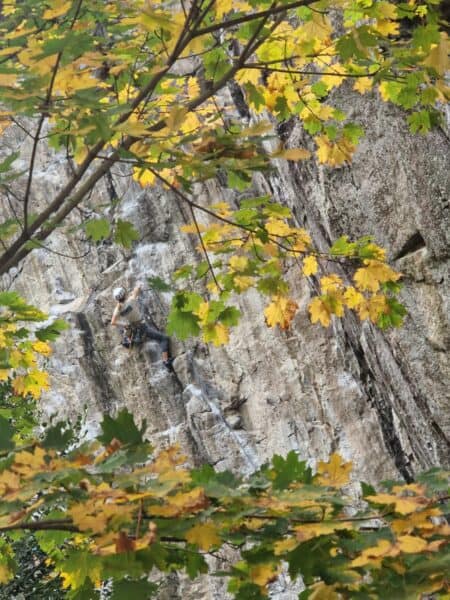
Ticino
ToggenburgCleanclimbing Cadarese | crack climbing with a mountain guide
Crack climbing, mobile belaying and solid trad skills - learn the art of clean climbing with us in Cadarese!TechnicsEndurance6–9 May 2027, Thursday–Sunday, 4 daysAscension16–19 September 2027, Thursday–Sunday, 4 days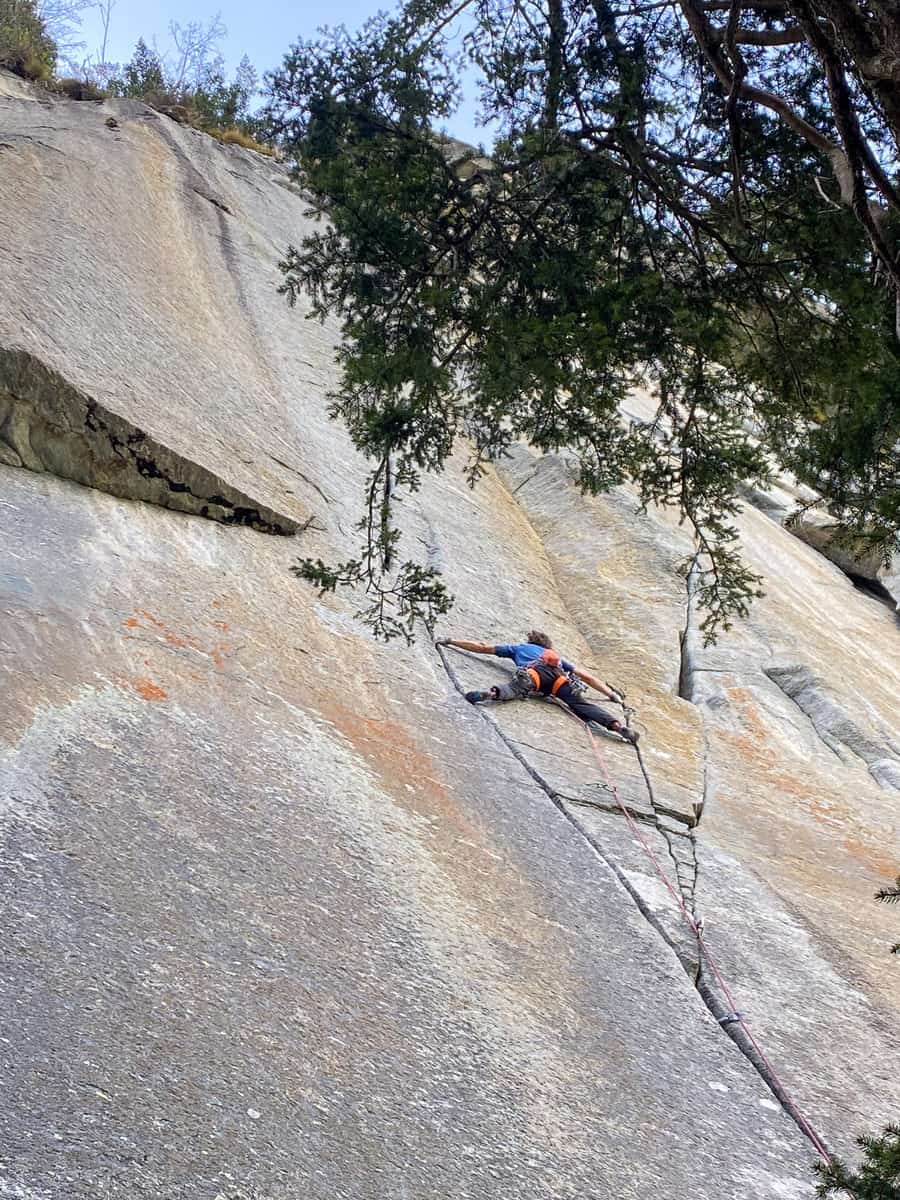
Cadarese
Climbing Days in Toggenburg | Intensive climbing and multi-pitch course with a mountain guide
Climbing in beautiful Toggenburg with views of the Churfirsten! Everyone is welcome, whether you’re new to rock climbing or an outdoor enthusiast! These four days will take you to a whole new level! ‘Learn, practise and enjoy’ is the motto for these four days.TechnicsEndurance14–17 May 2027, Friday–Monday, 4 days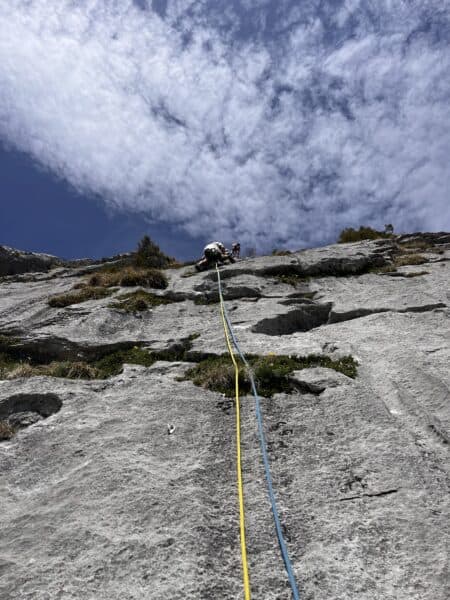
Toggenburg
Ridge climbing in alpine terrain | Jura rock-climbing course with practical tours starting from the hotel
Your journey into alpine terrain. Experience rocky ridges, learn to scramble.TechnicsEndurance28–30 May 2027, Friday–Sunday, 3 days
Solothurn, Jura
Basic multi-pitch course in Eastern Switzerland | Training and practical tours with a mountain guide
Pitch by pitch on top-quality limestone – learn multi-pitch climbing against a breathtaking mountain backdrop and take the plunge from the climbing wall to the real rock face!TechnicsEndurance4–6 June 2027, Friday–Sunday, 3 days3–5 September 2027, Friday–Sunday, 3 days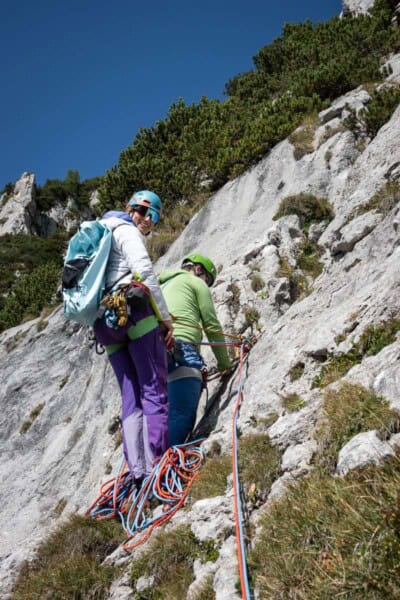
Toggenburg, St Gallen
- Download more offers!
Possible private tours with us:
Cleanclimbing | crack climbing coaching Göscheneralp with mountain guide
Crack climbing, placing mobile anchors and solid trad craftsmanship – catapult yourself to the next level in clean climbing!TechnicsEnduranceTo the offerDaily, date on request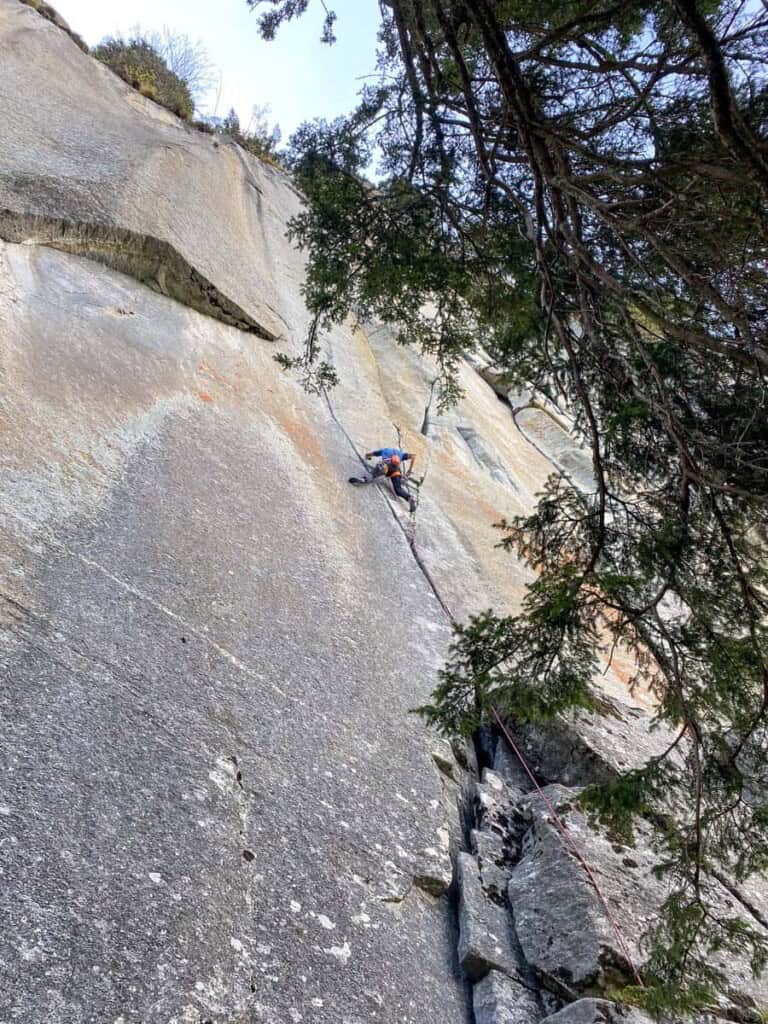
Göscheneralp
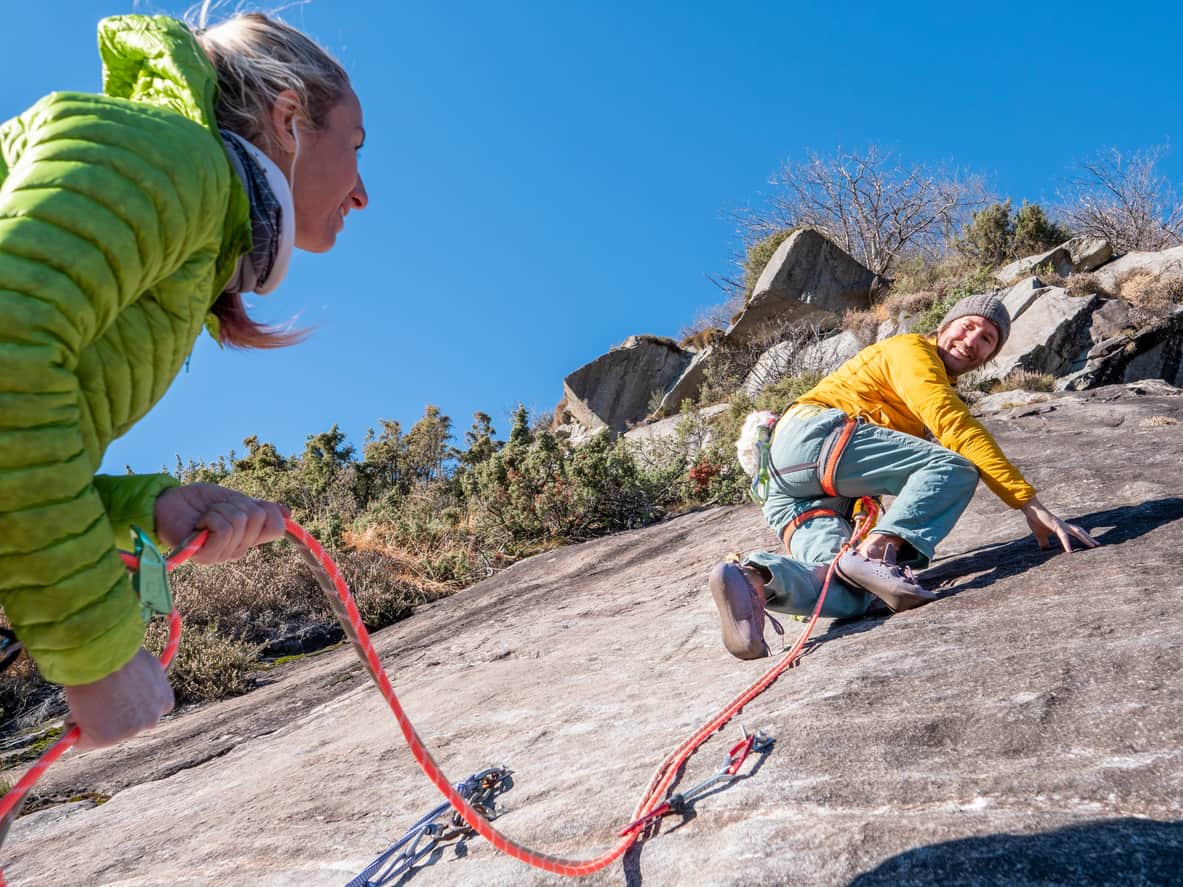
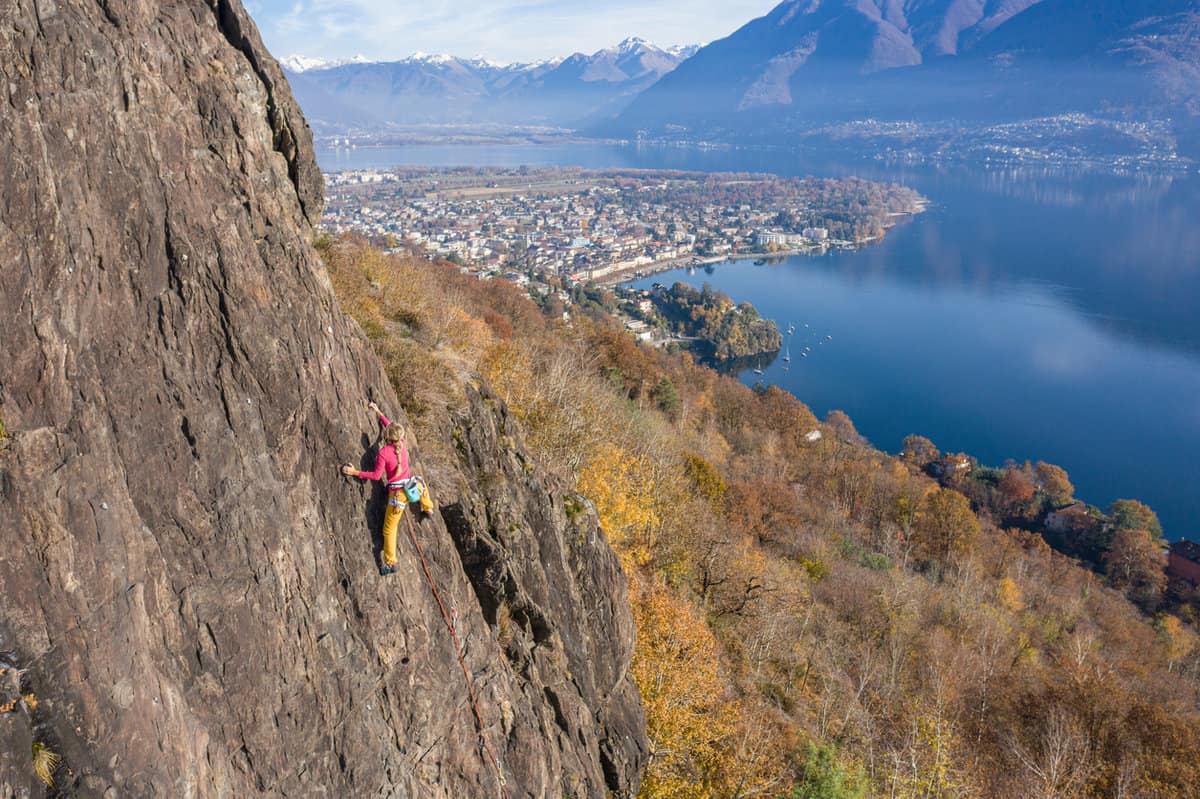
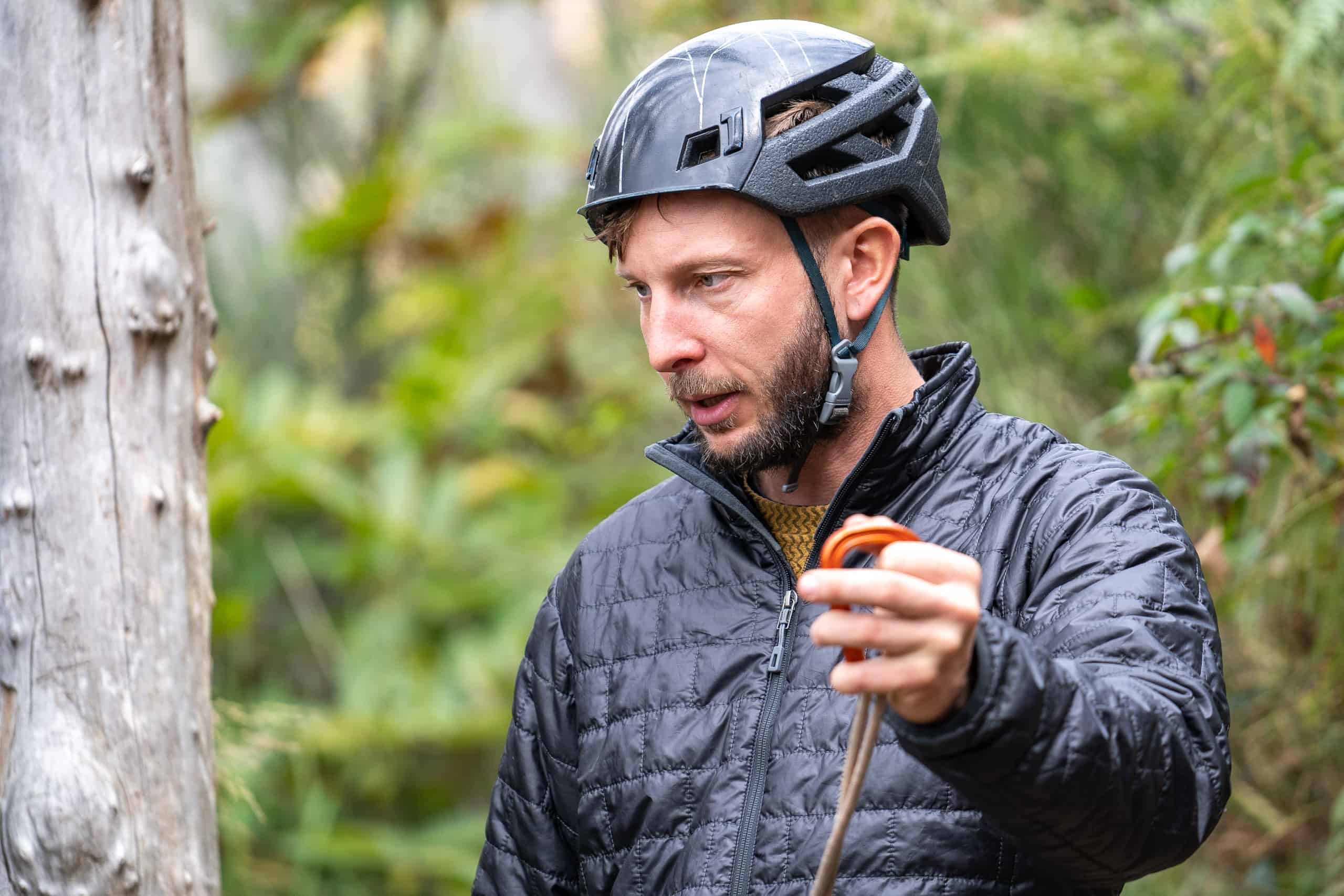
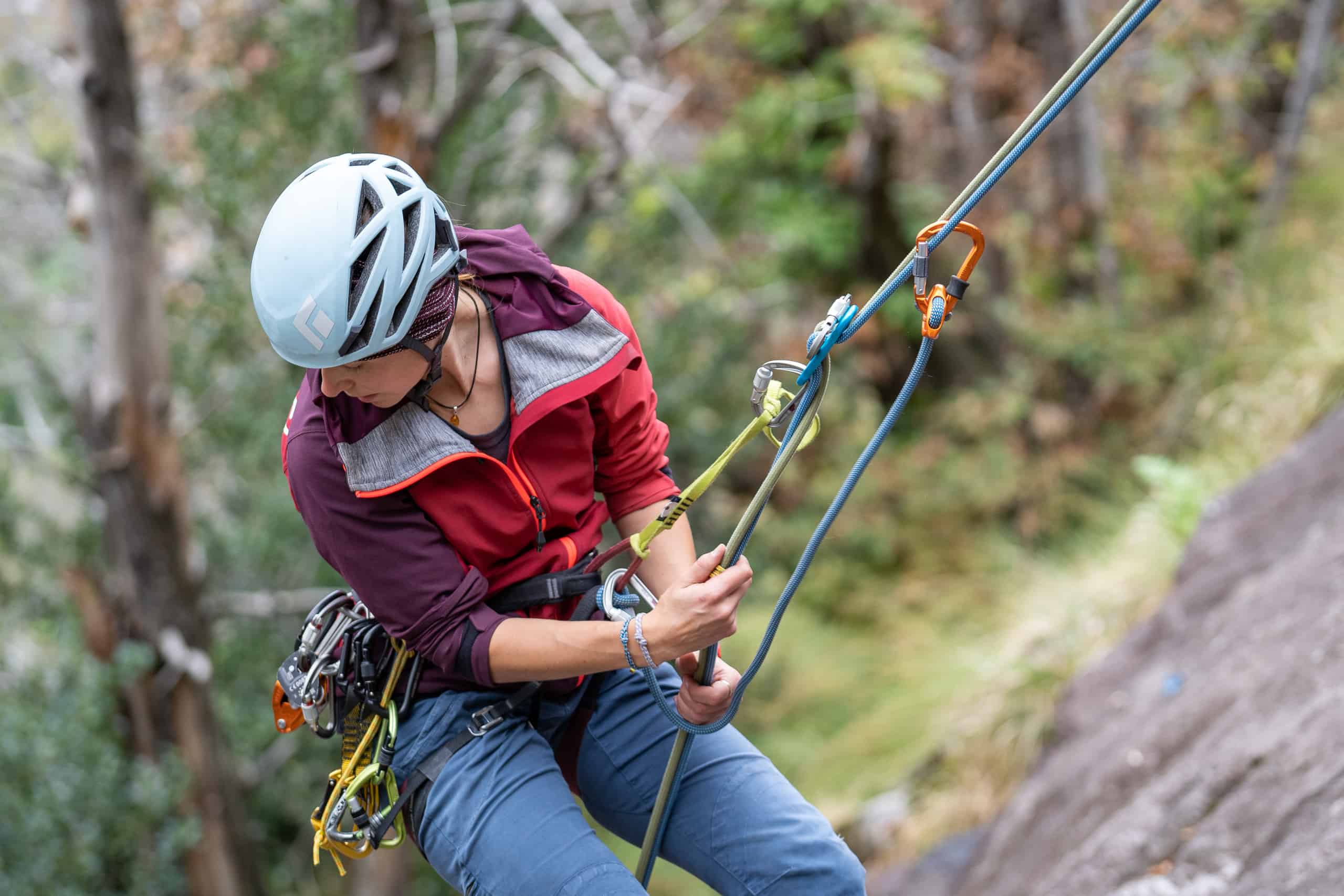
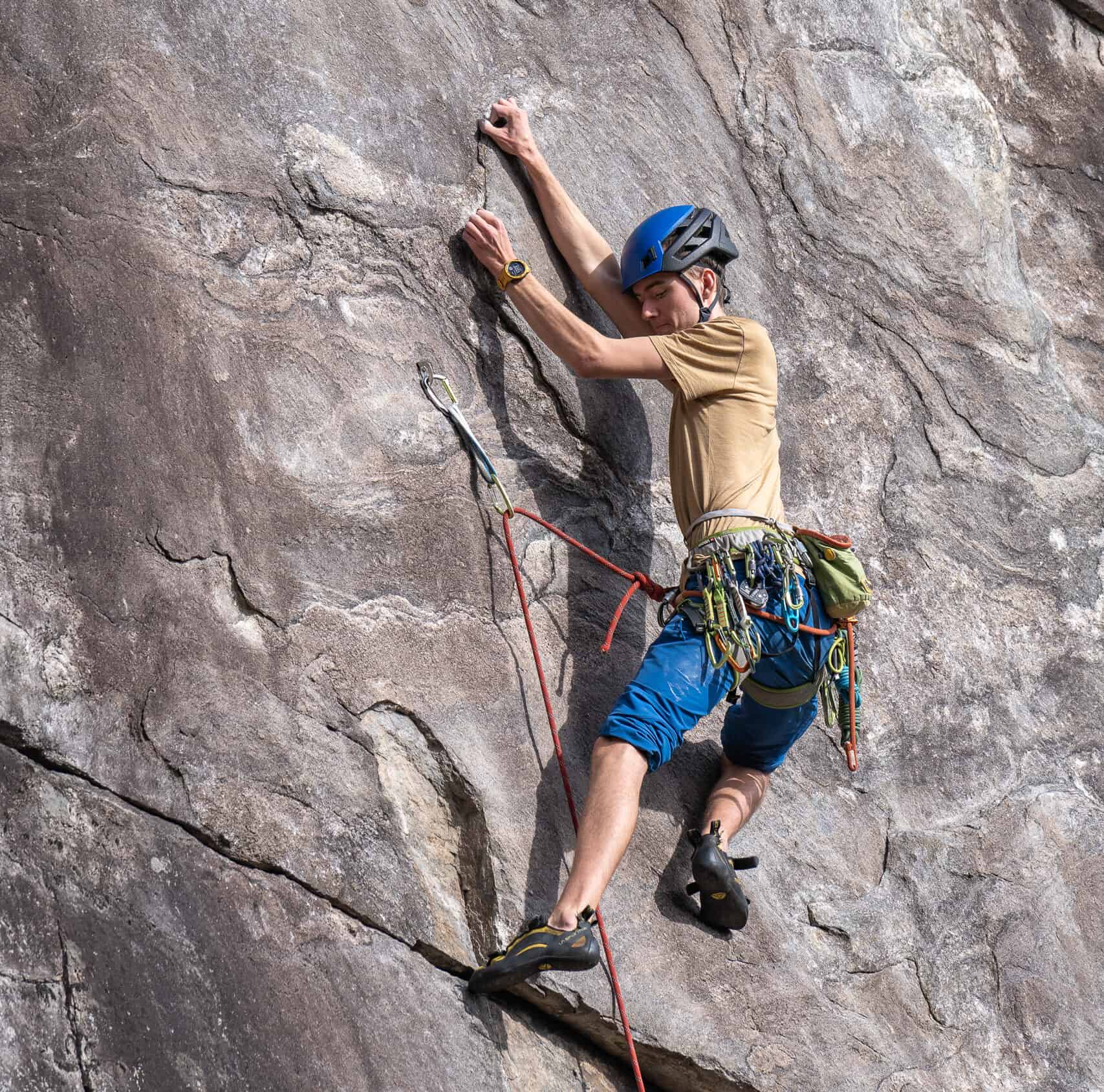
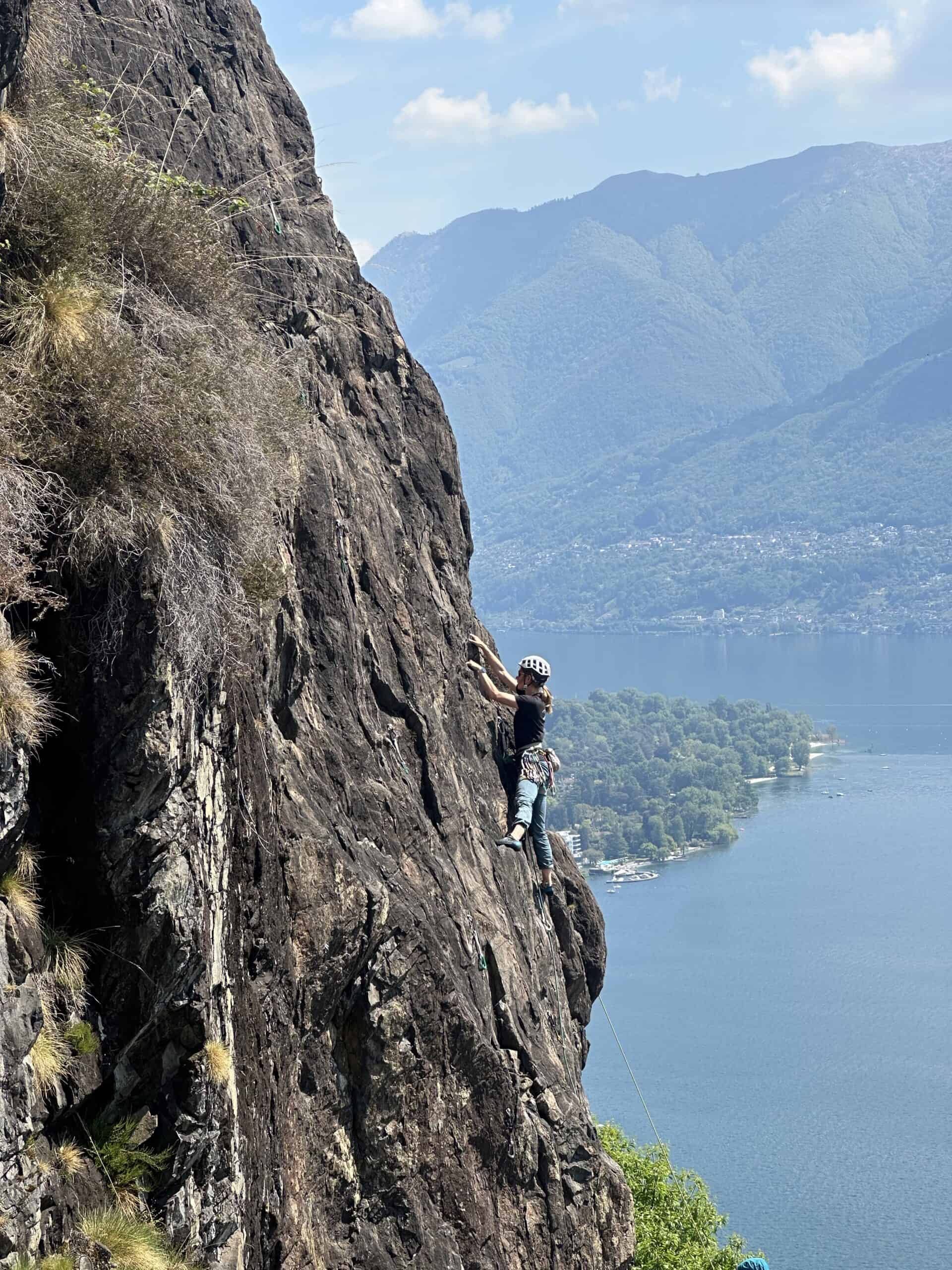
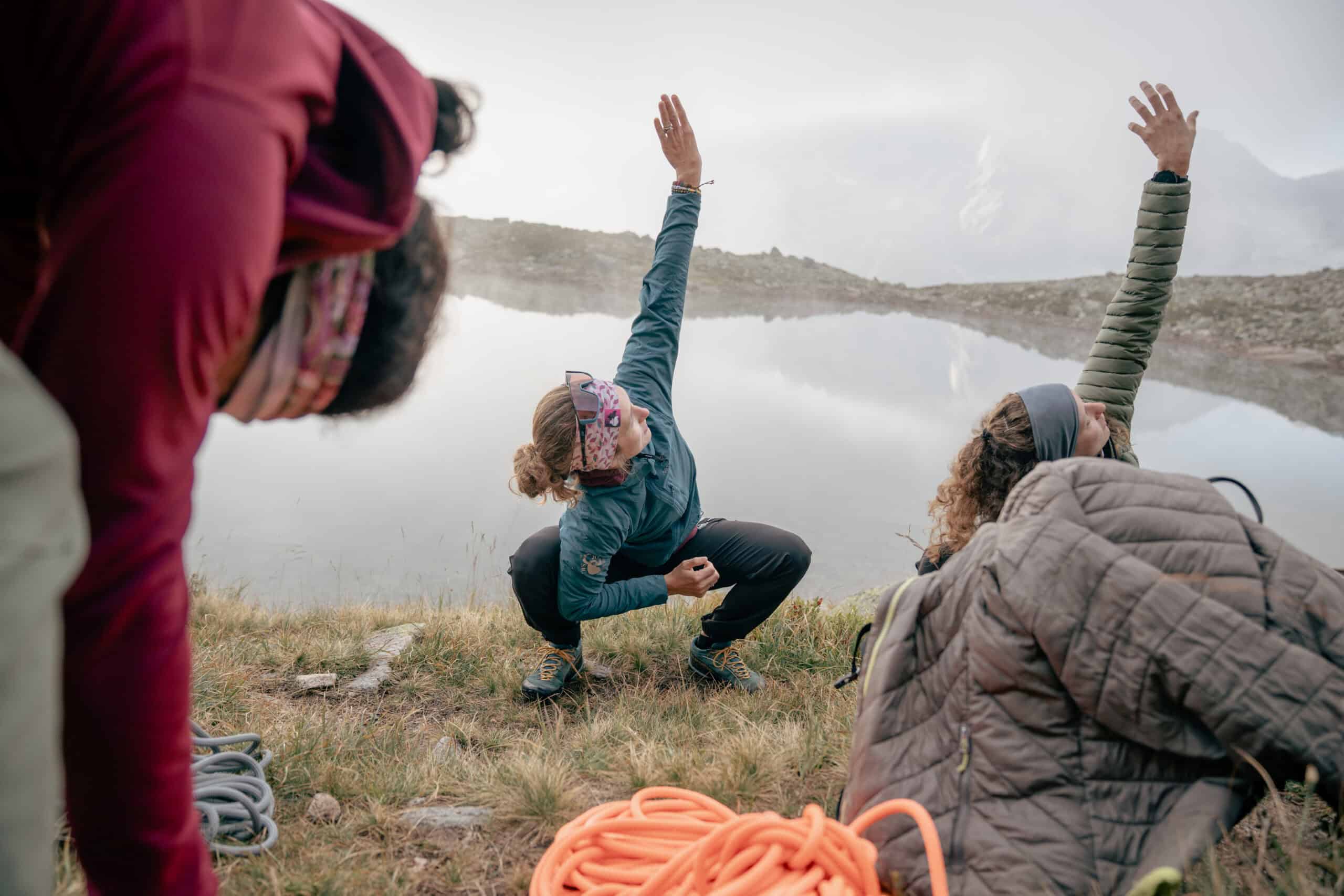
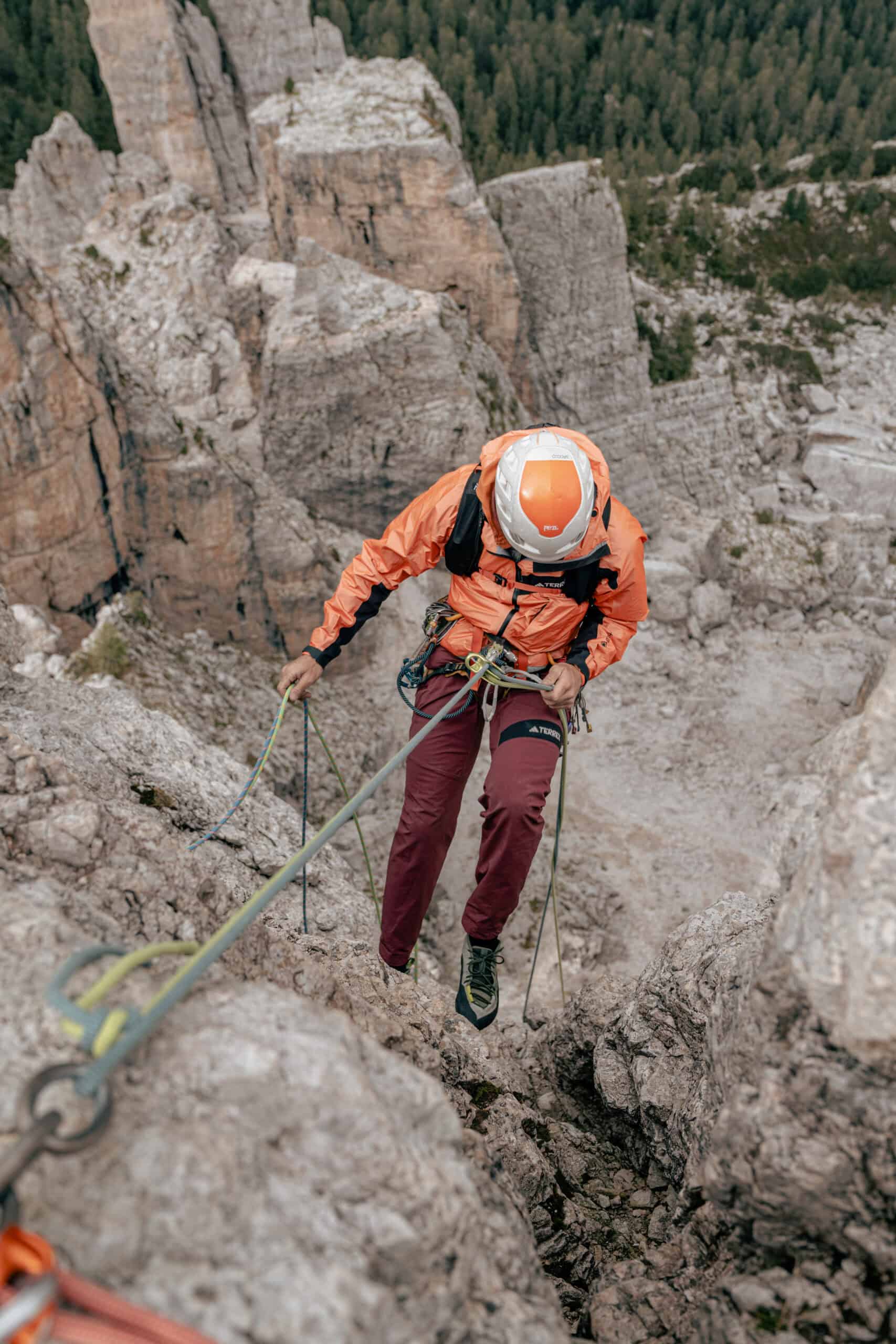
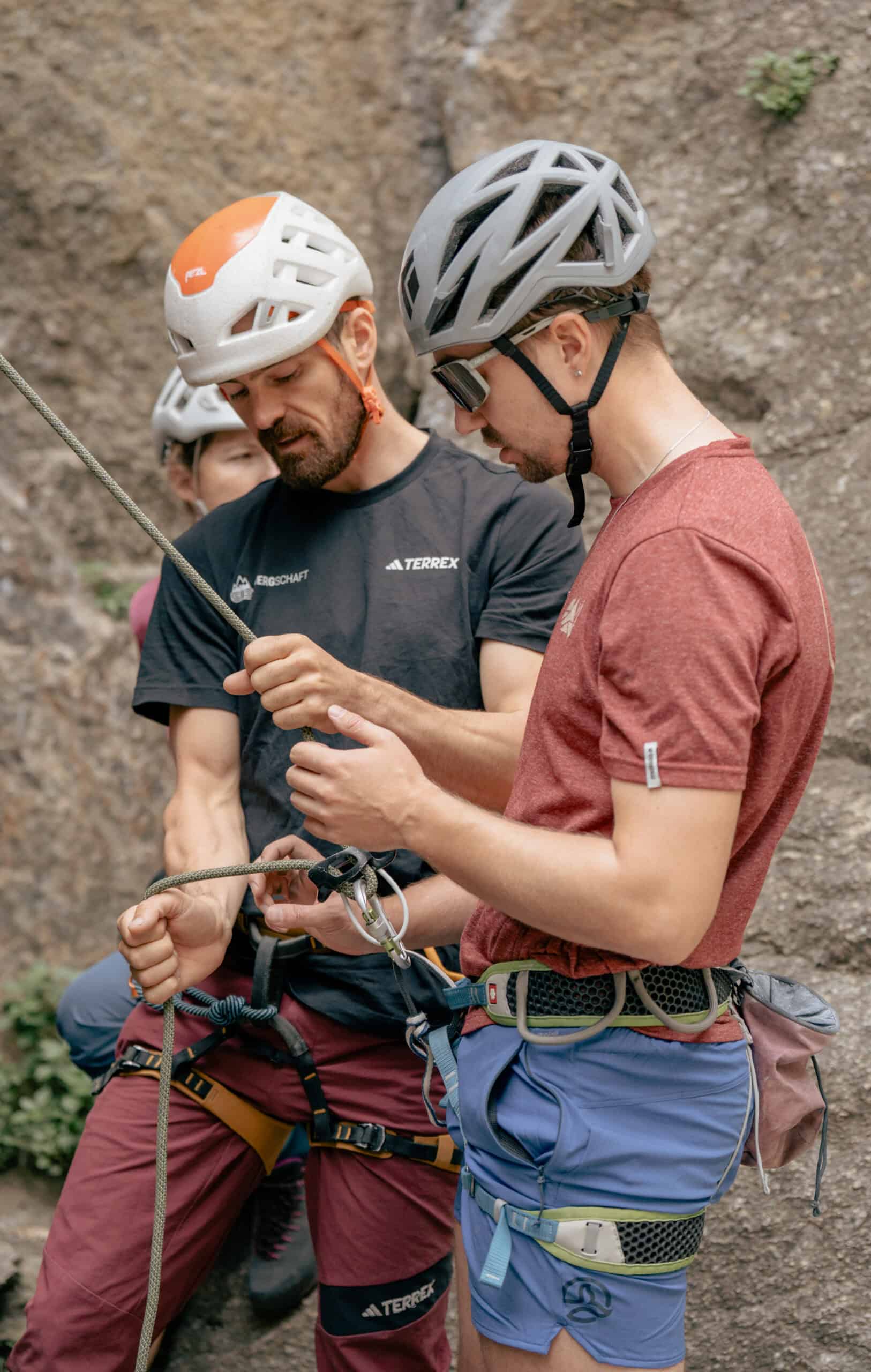
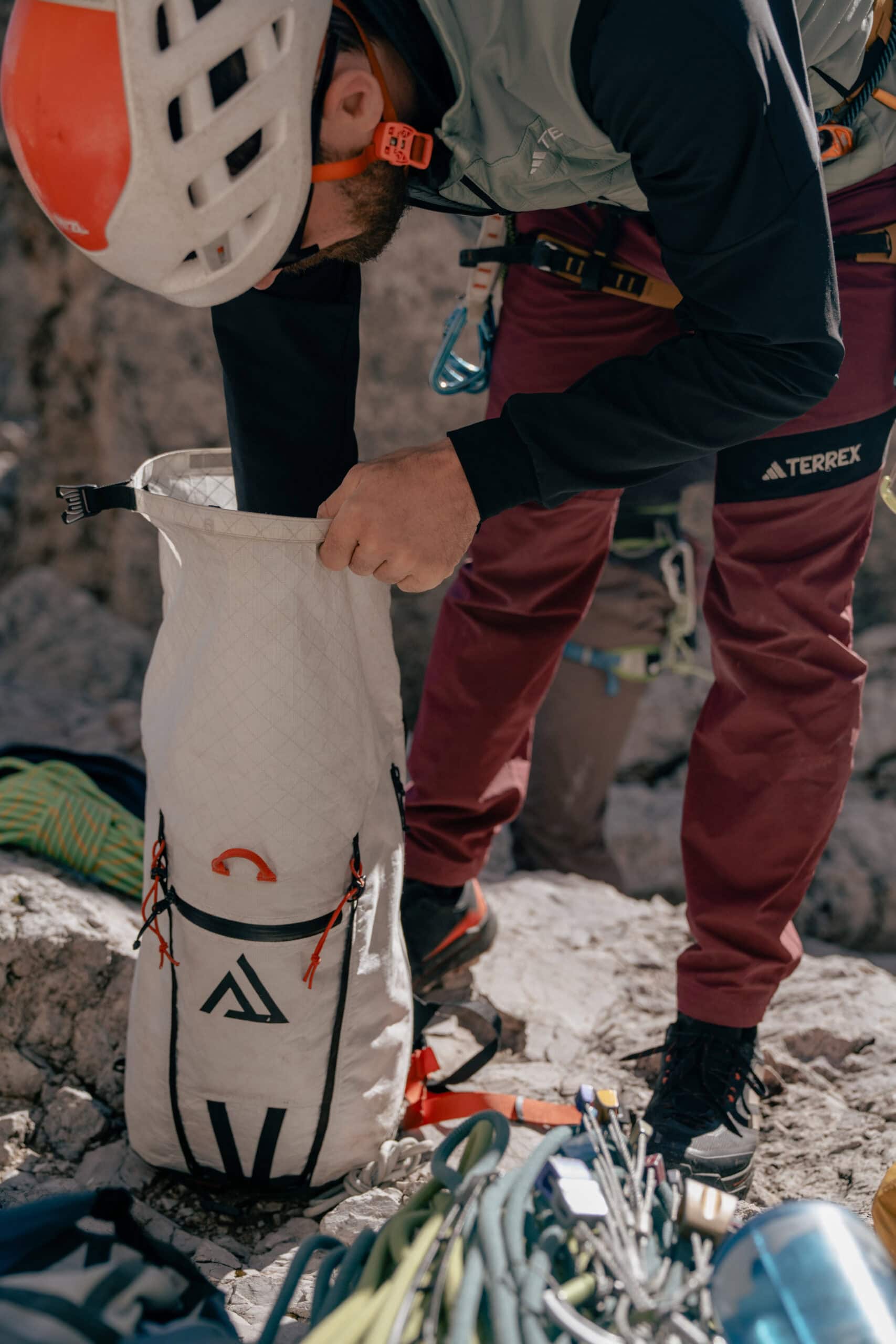
Highlights from our climbing courses – rugged rock, a variety of techniques and real rope teams



Interested in other tours?
Take a look at the complete offerNothing that suits you?
Do you prefer to travel in your own group? Book a private tour with us and enjoy and benefit from our professionals on the mountain.
Questions and answers about climbing courses and how not to be afraid of falling all the time ?¿
Climbing courses for beginners
Which climbing course is right for me as a beginner?
If you’ve never been rock climbing before, we recommend our “Beginners” Course at the Climbing Area”. This beginner’s climbing course is aimed at anyone who wants to make the transition from the indoor climbing centre to the crag. We’ll show you the basics of belaying, how to thread a sling through a pulley, and the fundamentals of rock climbing for beginners.
Do I need to bring my own equipment for a rock climbing course?
For the Basic course climbing garden All you need are your own climbing shoes, a helmet and a climbing harness, as well as your own belay device. Bergschaft will provide you with all the technical safety equipment – that is, ropes, carabiners and quickdraws. In advanced courses We’d be happy to advise you on putting together your own kit, and it’s well worth taking the courses using your own existing kit so that you can practise with it straight away.
Do I also learn lead climbing on rock in your courses?
Absolutely! In our Basic course climbing garden. Here you’ll learn how to clip quickdraws correctly from stable positions, how to fall whilst lead climbing, and how to belay dynamically. This will get you ready for independent sport climbing on the rock.
Where do the climbing courses take place?
We run our courses in Switzerland’s most beautiful climbing areas. So you’ll always find a place to go rock climbing nearby. The exact meeting points (e.g. the Jura, Central Switzerland or Graubünden) vary depending on the season and the weather, to ensure you always have the best grip and sunshine.
How often should beginners climb to make progress?
Newcomers should go climbing about once a week. At the beginning, you make quick progress and you don't need much strength yet. It is better to sharpen your awareness of the movements by means of technique training and to practice the movements actively, i.e. consciously and reflectively. Beginners must be careful not to climb too much, because muscles get stronger within weeks, but tendons and ring ligaments need months and years to get used to new stresses. They are therefore often more susceptible to injury.
What is done in climbing training?
In our climbing training we focus on technique and tactics in climbing for four evenings.
On the first evening we look at the standard movement and how to take the rest positions correctly. In addition, we build in the appropriate technique elements. Specifically, we will look at the movements to shift the body's centre of gravity and how to hold holds. On the first evening, we will make a video of a route of yours, which we will analyse on the following evenings.
The second evening will focus theoretically on the interplay of technique, tactics, physique and psyche and in the practical part on foot technique, the change between static and dynamic movements and how to study, plan and memorise routes correctly.
On the third evening, the focus is theoretically on muscle building, maximum strength and strength endurance. Fear is addressed in the fall training and how to deal with it.On the last evening, all the pieces of the puzzle come together. We climb the video route again, look at our progress and define the weak points that need further work.
Come along and benefit yourself!
Where are there climbing gyms in Switzerland?
There are climbing gyms in almost all larger towns, in German-speaking Switzerland that is:
- Zurich,
- Wädenswil,
- Uster,
- Schlieren,
- Winterthur,
- Greifensee,
- Lenzburg,
- Baden,
- Solothurn,
- Bern,
- Ostermundigen,
- Chur,
- Lucerne,
- Basel,
- Meiringen
... and many more.
Where can I do a climbing course?
With us, of course! We have been offering climbing courses for a long time and teach with joy and empathy. As mountain guides, we know which tips and assistance go down well with guests and where the mistakes typically lie.
From what level is a climbing course suitable?
The climbing courses are already helpful for beginners. The outdoor climbing courses, the multi-pitch climbing courses and the clean climbing course do not have a minimum requirement. For the specific climbing technique training you should be able to climb at least 5a.
Multi-pitch climbing courses
What are the entry requirements for a multi-pitch climbing course?
You should have experience of lead climbing on rock (approximately grade 4c) and be confident in belaying at a climbing wall. You should also have a head for heights and be fit enough for full-day climbing sessions on the rock face.
What does a multi-pitch course involve?
The focus is on rope techniques, setting up belay stations, organisation at the belay station, communication and abseiling. Multi-pitch courses cover everything to do with multi-pitch climbing. You should be able to belay independently and have a good grasp of the basics of indoor climbing. We’ll show you the equipment you’ll need and give you tips and tricks on gear. We’ll show you how to handle the rope and how to avoid tangles. Organisation at the belay station is key here. We’ll also look in more depth at communication and the challenges it presents. We’ll cover self-belaying, demonstrating and teaching the process, as well as how to set up a belay station and sharing tips to make it easier for you. We’ll show you abseiling techniques and potential problems associated with them, so that you can get back down safely.
Learning by doing is the motto here - fun and experience are not neglected!
How does belaying on a multi-pitch route differ from belaying at a climbing wall?
At the belay station, you secure the climber behind you directly from the belay station. You’ll learn how to manage the ropes properly at belay stations so that they don’t become tangled and the rope team can make swift progress.
What additional equipment do I need for a multi-pitch climb?
As well as a harness, helmet and climbing shoes, you’ll need a belay sling (e.g. a webbing sling with a screw-lock carabiner), a descender (Tuber) complete with a Prusik, and plenty of quickdraws and screw-lock carabiners. A small, lightweight climbing rucksack for water, a windcheater and approach shoes is also essential.
What happens if we get stuck on a multi-pitch route or the weather takes a turn for the worse?
Planned abseiling is part of alpine safety. On the multi-pitch climbing course You’ll learn how to abseil down a rock face multiple times, set up abseil stations and correctly assess weather windows so that you can reach the foot of the wall safely every time.
Advanced courses
Who is an advanced climbing course suitable for?
These courses are aimed at anyone who already climbs outdoors but has reached a plateau – whether in terms of climbing grade, movement efficiency or the mental strength required for lead climbing.
Do we also cover fall training and dynamic belaying in the advanced course?
Yes, controlled fall training on rock is a key component of the Mental and crash training course. You’ll learn how to belay gently and in a way that’s easy on the knees, and how to build confidence step by step so that you can climb relaxed when pushing your limits.
How will the course help me improve my climbing technique on the rock?
Our mountain guides analyse your movement patterns in the Outdoor Skills Course right on the rock face. You’ll learn techniques such as turning in, placing your feet precisely on small ledges, visualisation and energy-efficient friction climbing, so you can tackle more difficult sections with less effort.
What is the difference between climbing tactics and climbing technique?
Technique refers to clean movement on the rock. Tactics involve assessing the route in advance from the base of the wall, finding the best resting positions (no-hands rests), breathing correctly, and clipping the quickdraws swiftly from stable positions.
Clean, crack and trad climbing
What exactly do I learn on a clean climbing course (traditional climbing)?
You’ll learn in our clean and trad courses, to secure routes independently where there are no fixed bolts. The focus is on the correct placement of mobile anchors (Friends and nuts), the construction of mobile belay stations, and the assessment of rock quality.
Do I have to belay difficult lead climbs straight away on the clean course?
No. We’ll start step by step on gently sloping rock, or secure you with a top-rope at the start for added safety (back-up). This way, you can practise placing the nuts and cams without the fear of falling, and test their strength before you lead.
How can I check whether the fuses I’ve fitted myself are actually holding up?
Our mountain guides check each of your anchors on the spot at ground level, give you immediate feedback on how securely the equipment is in place, and test the pull-out strength with you before you start a route. Much of this can be assessed from below, or our mountain guides will set up a fixed rope so that they can coach you on the route.
Can you do clean climbing on limestone rock as well, or do you need granite?
Thanks to their parallel cracks and solid rock, granite and gneiss offer ideal conditions for cams and Friends. But limestone also offers excellent opportunities for chocks, hourglasses and Tricams. On the course, we’ll show you the specific characteristics of the different rock types.